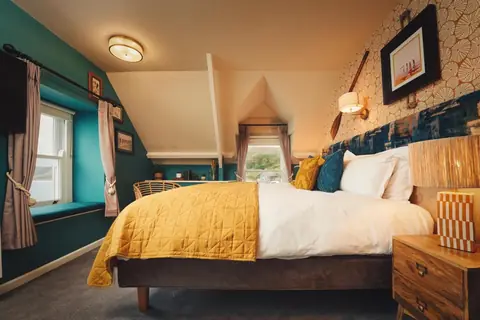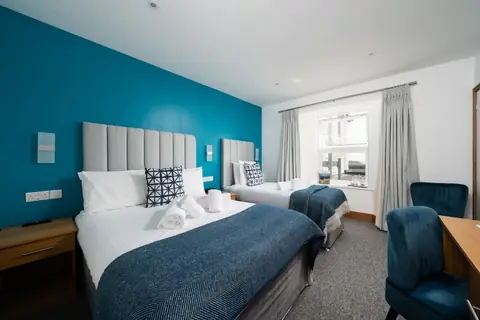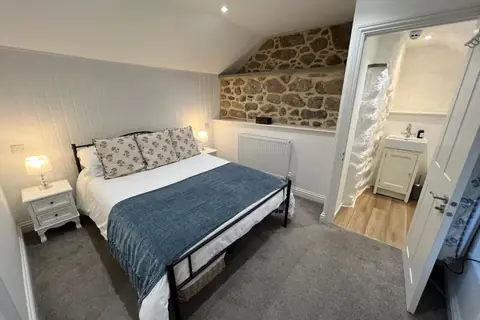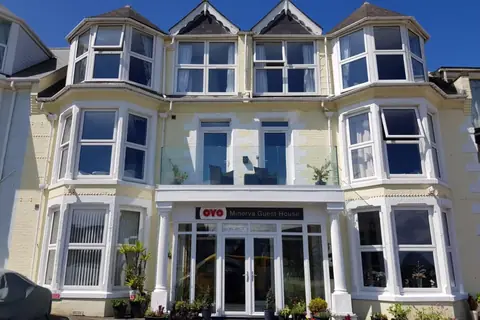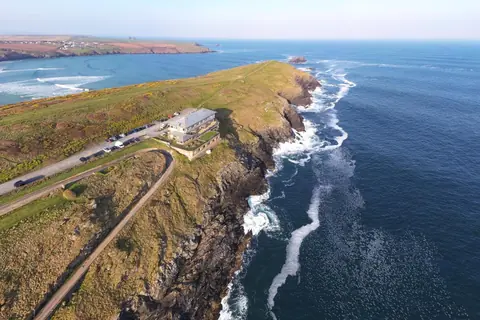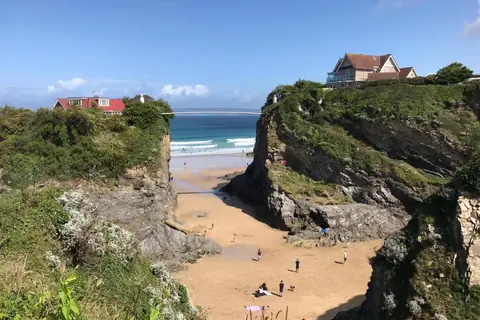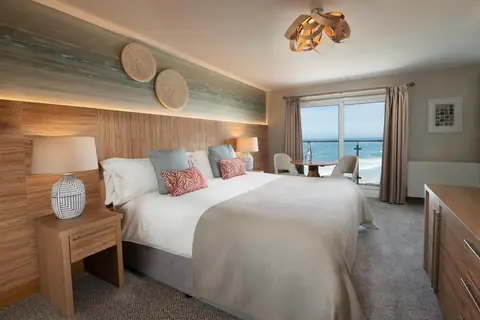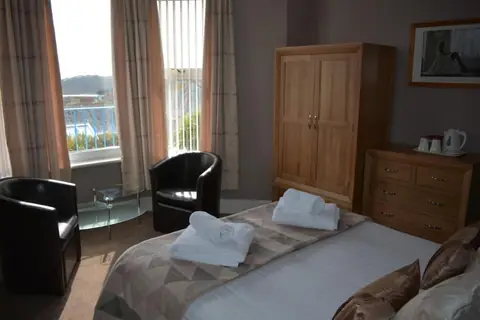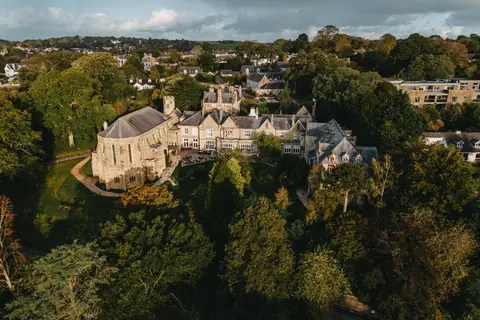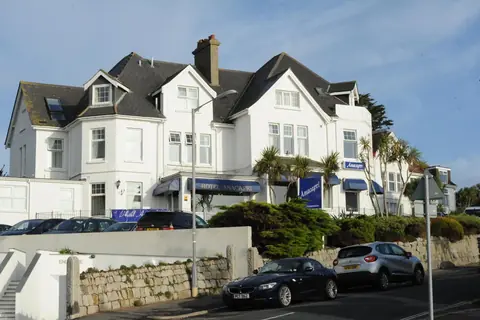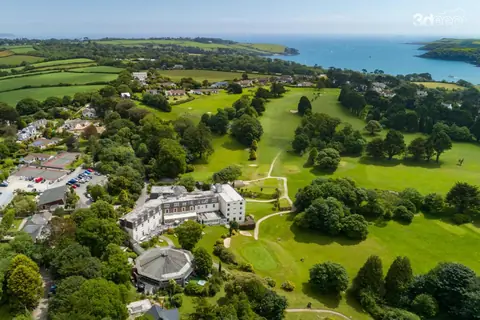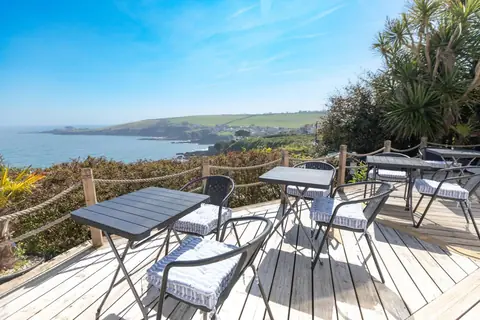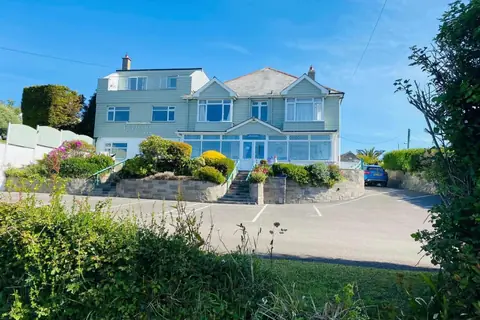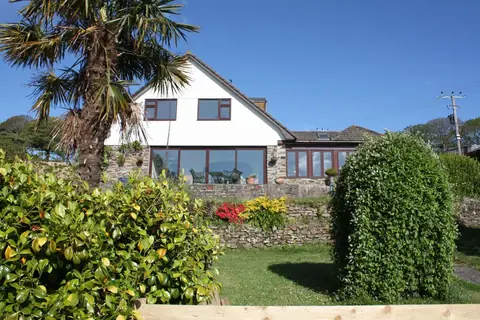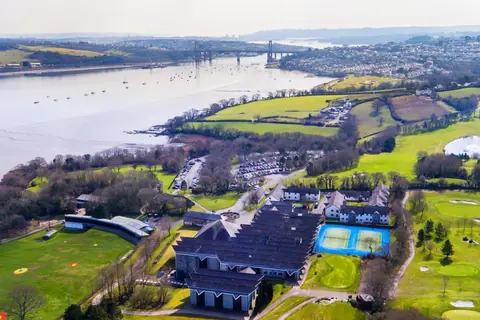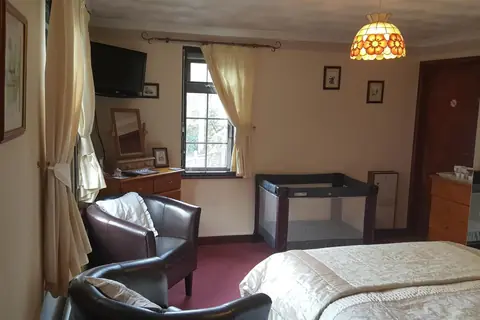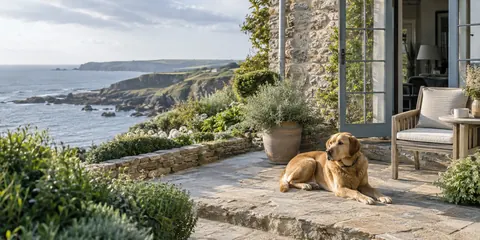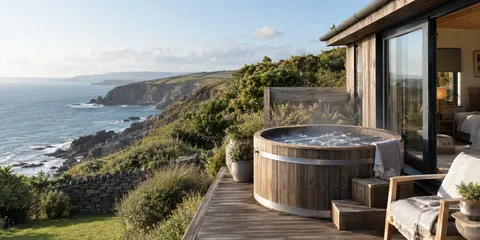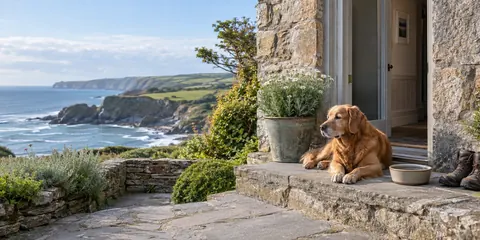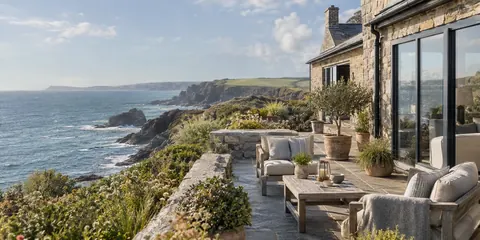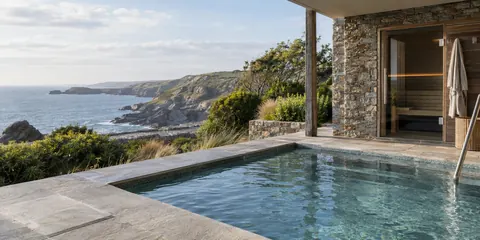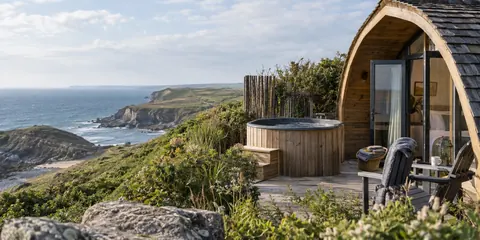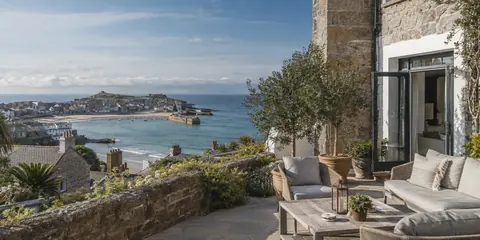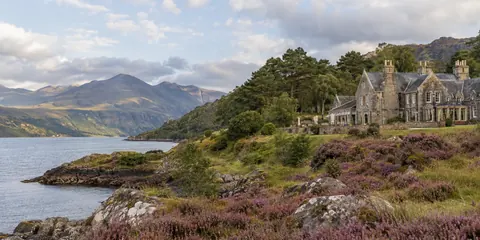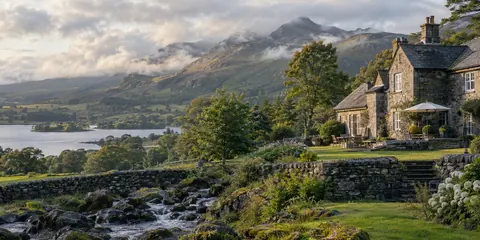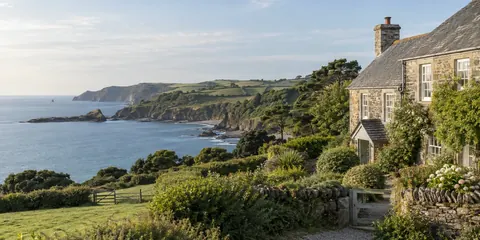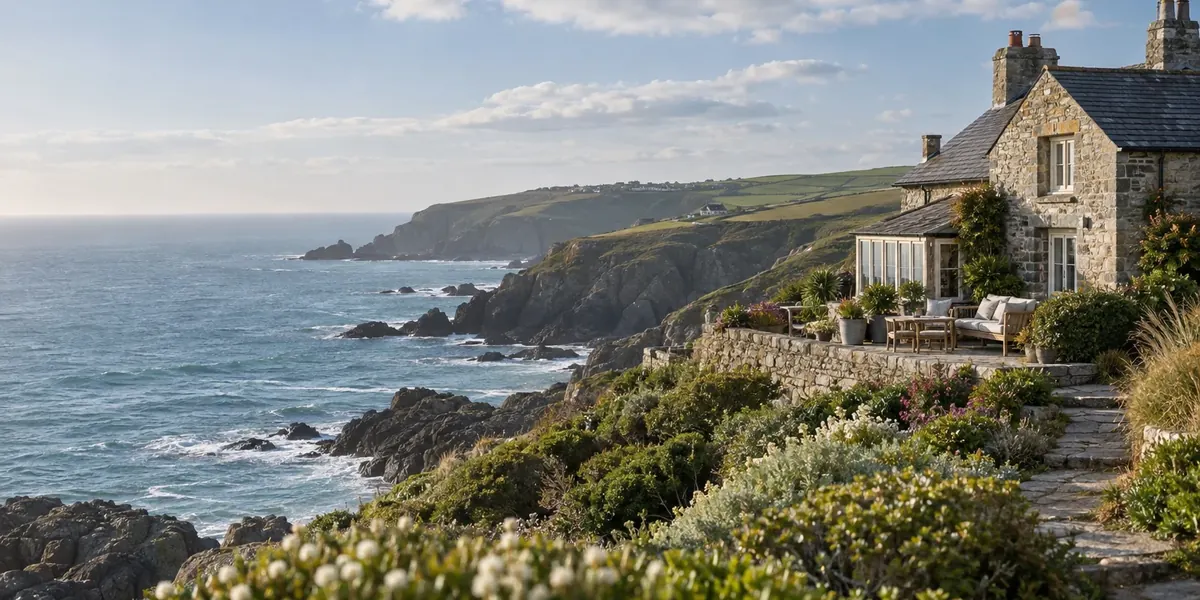
Where to stay in Cornwall: illustrative photo of countryside and a stone-built house

Destination

Where to Stay in Cornwall

Cornwall is a long, narrow county, and where you base yourself decides your whole trip. The north coast has the surf beaches and the big family resorts.

By the ChooseMyHotel editorsUpdated Not yet checked with the properties

The south coast has sheltered harbours, sailing towns and the Roseland and Fowey estuaries. Inland, Bodmin Moor and the Tamar Valley give you a quieter, cheaper alternative within easy reach of both coasts.

None of Cornwall sits inside a national park, though a third of the county is protected as [Cornwall National Landscape](https://national-landscapes.org.uk/national-landscapes/cornwall), formerly known as an Area of Outstanding Natural Beauty, spread across 12 separate sections. Getting around without a car is possible on several branch lines, but the main roads to the far west get slow in the school summer holidays. This guide covers where to stay, how to arrive and what to check before you book, from hotels in Cornwall to dog-friendly cottages.

Where to base yourself

St Ives and the north west

St Ives is the best known base on this stretch, with beaches close to the town centre and the Tate gallery on the waterfront. Its narrow streets and limited parking make the branch line from St Erth a useful way in, taking under 15 minutes along the coast through Carbis Bay, according to [Great Western Railway's community line guide](https://greatscenicrailways.co.uk/lines/st-ives-bay-line/).

Penzance and Marazion sit further round Mount's Bay, with St Michael's Mount reachable on foot at low tide or by boat when the causeway is covered. Hayle and Sennen give you bigger, quieter beaches. This area suits a first trip to Cornwall, or anyone who wants coast path walking and a short walk to a beach without needing a car every day. See our hotels near St Ives for options in the town itself.

On our lists here
Newquay and the surf coast

Newquay is Cornwall's surfing hub, with Fistral Beach and a busy town centre aimed squarely at families and groups. Padstow, a short drive north, trades surf for seafood and a working harbour, and connects to Wadebridge along the Camel Trail, a flat, traffic-free cycling and walking route on a former railway line.

Mawgan Porth and Polzeath offer a calmer version of the same coast, with sand that stays uncovered at most tides. A seasonal park and ride runs into Newquay from the A392 in summer, based on [Cornwall Council's Newquay park and ride information](https://www.cornwall.gov.uk/council-news/transport-streets-and-waste/more-transport-streets-and-waste-news-stories/hop-on-board-newquay-park-and-ride-is-back-for-the-summer-2024/), and a branch line runs in from Par. This area suits surf lessons, coastal walks and family holidays, including dog-friendly hotels with beach access.

On our lists here

Falmouth, Truro and the Fal estuary

Truro is Cornwall's cathedral city and its main hub for shops, trains and buses, with a park and ride into the centre from Tregurra and Langarth. Falmouth sits at the mouth of the Fal estuary, with a maritime museum, several beaches within walking distance and a university that keeps it lively out of season.

The Maritime Line links the two by rail, taking about 25 minutes end to end with half hourly trains on weekdays, according to [Great Western Railway's route guide](https://greatscenicrailways.co.uk/lines/maritime-line/). This makes Falmouth one of the easier Cornish towns to reach and explore without a car. Base yourself here for sailing, coastal walking on the Roseland side of the estuary, or a stay close to spa hotels with good year round transport links.

On our lists here

Fowey, Looe and the south east

Fowey and Looe are sailing and fishing towns built into steep river valleys, both with narrow streets and little room to park in season. Looe is reachable by train on the Looe Valley Line from Liskeard, an eight and three quarter mile branch that follows the East Looe River and runs six days a week all year, with Sunday services added from April to mid October, according to [Great Western Railway's line guide](https://greatscenicrailways.co.uk/lines/looe-valley-line/).

Polperro, a little further along the coast, bans cars from its centre and has a car park on the edge of the village instead. Mevagissey and Pentewan sit closer to St Austell, with gentler beaches and coast path access towards the Roseland peninsula. This area suits people who want a working harbour rather than a resort, and who are happy to arrive by train or leave the car at the edge of town.

On our lists here

Bodmin Moor, Launceston and the Tamar Valley

Inland Cornwall gets far less traffic than the coast. Bodmin sits at the edge of Bodmin Moor, a wide expanse of open moorland with granite tors, while Launceston, close to the Devon border, has a Norman castle and easy access to both the A30 and the A39. Saltash and Torpoint sit on the Tamar, the river that forms the county boundary with Devon.

This area suits a base for touring rather than a beach holiday. You are typically 25 to 40 minutes' drive from the north or south coast, with quieter roads and lower demand for parking than St Ives or Padstow in August. It also works well if you are travelling on from Devon, since Launceston and Tavistock sit either side of the border on the same road network.

On our lists here

Our lists for Cornwall

A few stays from those lists

Practical information

Getting there

The main line from London Paddington runs to Penzance, calling at Truro, St Austell, Par and Liskeard. Branch lines fan out from these stops to St Ives, Newquay, Falmouth and Looe, so you can often finish the journey by train rather than by car.

Parking and driving in summer

Cornwall's main roads and town centres get busy through the school summer holidays, roughly mid July to early September, when demand for parking rises sharply in resort towns. St Erth station has a park and ride with over 500 spaces for St Ives, costing £4.50 on weekdays and £3.50 at weekends, and Newquay runs a free seasonal park and ride on the A392, according to [the operator's St Erth page](https://greatscenicrailways.co.uk/stations/st-erth-park-and-ride/) and [Cornwall Council](https://www.cornwall.gov.uk/council-news/transport-streets-and-waste/more-transport-streets-and-waste-news-stories/hop-on-board-newquay-park-and-ride-is-back-for-the-summer-2024/). Polperro bans cars from its centre altogether.

Getting around without a car

The St Ives Bay Line, the Maritime Line to Falmouth, the Looe Valley Line and the Newquay branch all connect to the Paddington to Penzance main line, so you can reach several coastal towns by train. For journeys the railway does not cover, check bus times with Traveline before you travel, since rural services can be infrequent outside peak season.

Other destinations

Where to stay in Cornwall: questions

Is Cornwall in a national park

No. Cornwall has no national park. About a third of the county is protected as Cornwall National Landscape, the current name for what used to be called an Area of Outstanding Natural Beauty, spread across 12 separate sections rather than one continuous area.

Can you get around Cornwall by train

Yes, for several towns. Branch lines run from the main Paddington to Penzance line to St Ives, Newquay, Falmouth and Looe. Between branch lines you will usually need a bus or a car, so check connections with Traveline before relying on rail alone.

When is Cornwall busiest

The school summer holidays, roughly mid July to early September, bring the heaviest traffic and the fullest car parks. Roads to the far west and popular beach towns slow down noticeably, so book parking or train travel in advance if you are visiting during this period.

Where should you stay if you do not want to drive much

Falmouth and St Ives are the easiest towns to explore on foot once you arrive, since both sit on a train branch line and have beaches within walking distance. Look for a stay close to the station rather than out in the surrounding villages.

Is the north coast or south coast better for families

The north coast, around Newquay and Mawgan Porth, has larger surf beaches and more visitor facilities aimed at families. The south coast, around Fowey and Falmouth, has calmer water and working harbours, which suit families who prefer rock pools and boat trips to surf lessons.

Sources