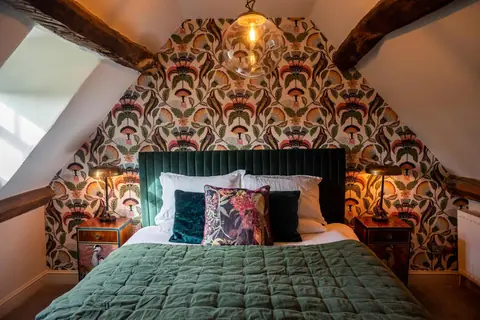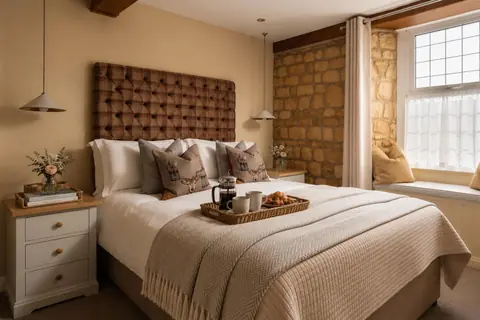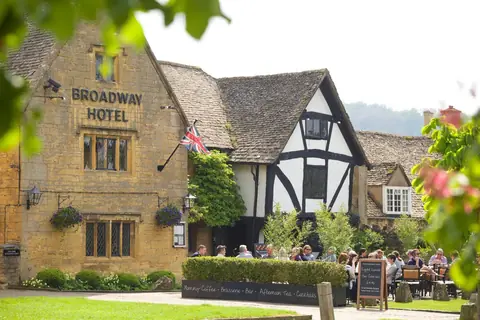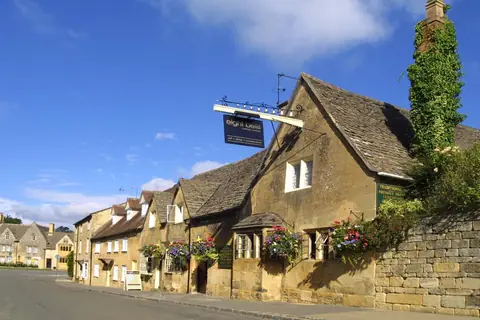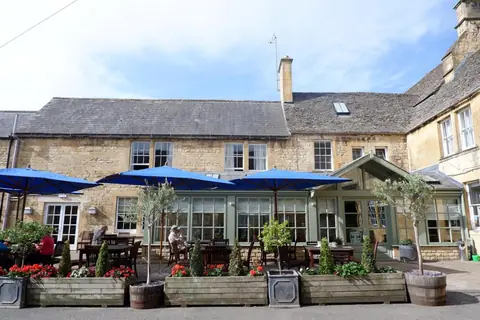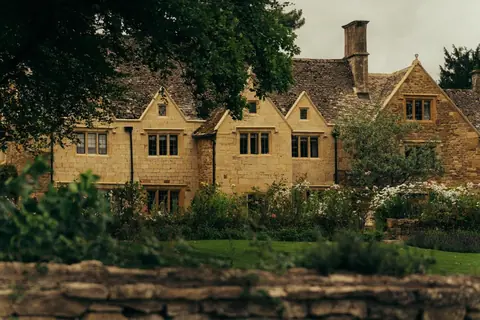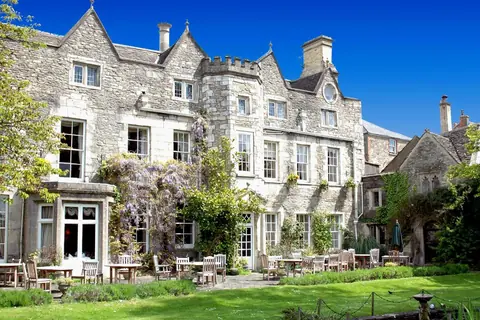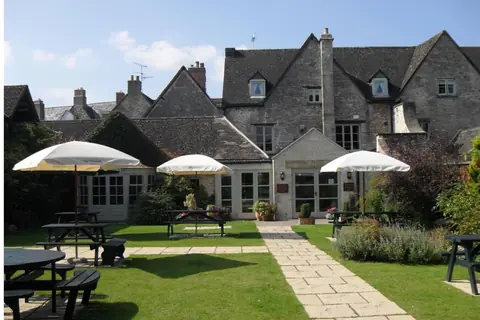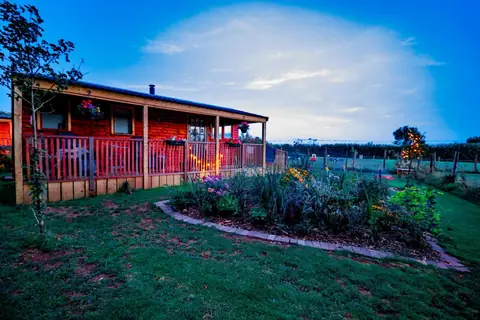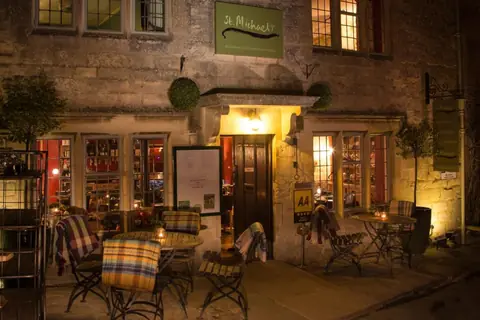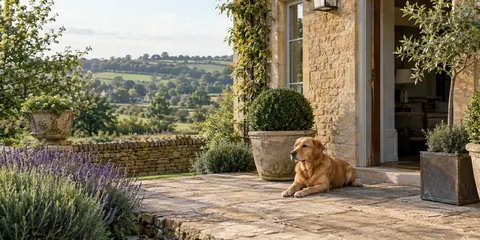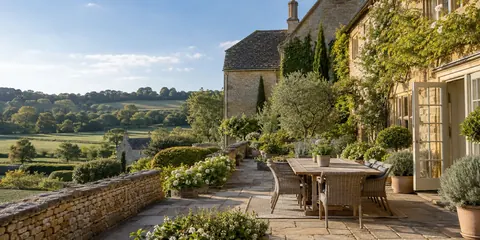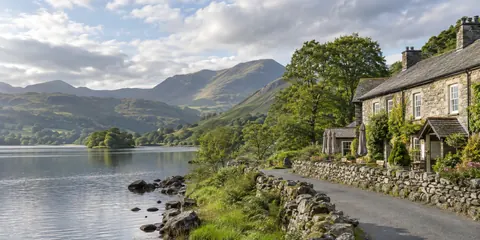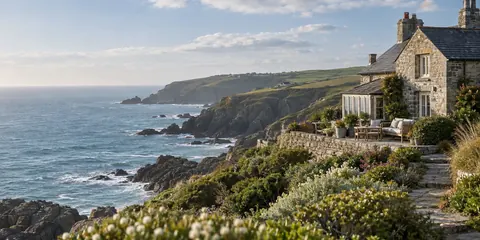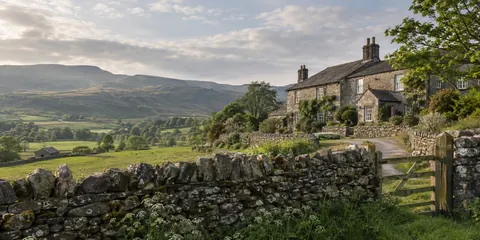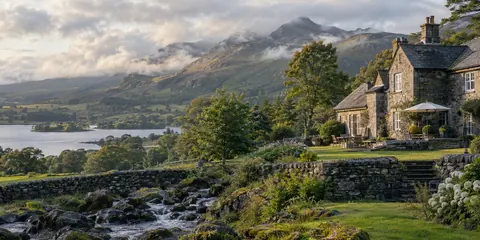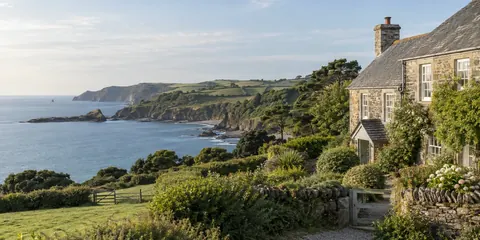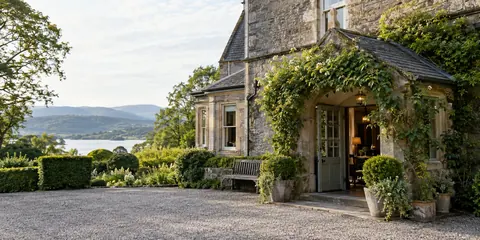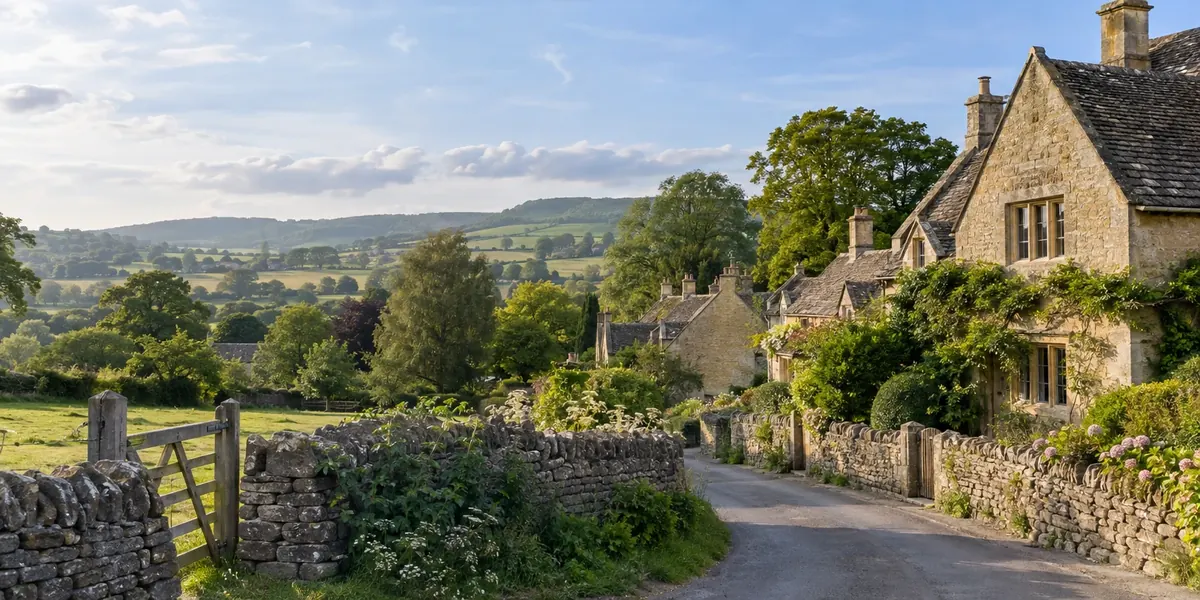
Where to stay in the Cotswolds: illustrative photo of countryside and a stone-built house

Destination

Where to Stay in the Cotswolds

Where to stay in the Cotswolds depends on how far you want to be from a railway station and how busy you want your base to be. The Cotswolds National Landscape covers almost 800 square miles across Gloucestershire, Oxfordshire, Warwickshire, Wiltshire and Worcestershire, making it one of the largest protected landscapes in England.

By the ChooseMyHotel editorsUpdated Not yet checked with the properties

Bourton-on-the-Water and Stow-on-the-Wold, in the north, are the best known villages and draw the most day visitors. Moreton-in-Marsh, a few miles away, has the area's main railway station and connecting buses to both.

Further south, Cirencester and Tetbury have more everyday shops and services, and Kemble station links them to London Paddington and Cheltenham. Stroud, on the western edge, has its own station and a more working town character than the honeypot villages. The Cotswold Way, a 102 mile national trail from Chipping Campden to Bath, runs along the escarpment through much of this western stretch. For accommodation with confirmed facilities, see dog-friendly hotels in the Cotswolds or spa hotels.

Where to base yourself

Bourton-on-the-Water and Stow-on-the-Wold

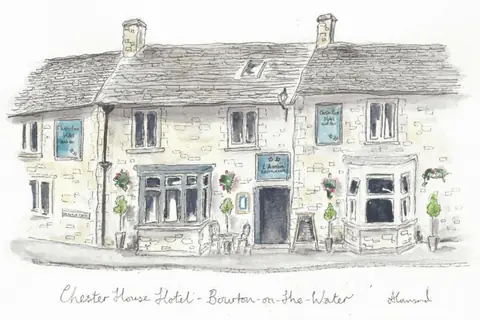
Bourton-on-the-Water and Stow-on-the-Wold sit in the northern Cotswolds and are the area's best known villages, both reachable by the Pulhams 801 bus from Moreton-in-Marsh railway station. Bourton is built around a shallow stretch of the River Windrush crossed by low stone bridges, and it gets busy with day visitors through summer.

Stow-on-the-Wold stands higher, on the old Fosse Way, with a market square of independent shops and pubs. The Slaughters, Upper and Lower, are a short walk or drive from either village and have few shops of their own. They suit a quiet stay if you're happy to travel for meals and everyday services.

On our lists here
Chipping Campden, Broadway and Moreton-in-Marsh

Chipping Campden marks the northern end of the Cotswold Way, a 102 mile national trail to Bath. It keeps a High Street of largely unaltered buildings from the 14th to 17th centuries. Broadway, a few miles south, is known for Broadway Tower and sits on the Stagecoach bus route from Moreton-in-Marsh.

Moreton-in-Marsh has the area's main railway station, with direct trains from London Paddington. Connecting buses reach Stow, Bourton, Broadway and Chipping Campden, including the Heritage Bus Service that links all four. It suits a stay without a car more than the smaller villages, and it also has everyday shops and a Tuesday street market.

On our lists here

Cirencester, Tetbury and Malmesbury

Cirencester, the Cotswolds' largest town, was the Roman town of Corinium and keeps a large parish church and market square at its centre. It has the widest choice of shops, cafes and services in the southern Cotswolds. Kemble, the nearest railway station, is about four miles away, with trains to London Paddington, Swindon, Cheltenham and Gloucester.

Tetbury and Malmesbury are smaller market towns further south, both built on the wool trade and now known for antiques shops and independent traders. Neither has a railway station, so a car or connecting bus from Kemble suits this part of the Cotswolds better than a fully car-free stay.

On our lists here

Stroud, Painswick and Nailsworth

Stroud sits in the Five Valleys on the western edge of the Cotswolds, with its own railway station on the line between Swindon and Gloucester and a Saturday farmers' market. It has a more working town character than the villages further north, with independent shops and a shorter history as a tourist destination.

Painswick is known for its stone terraces and Rococo Garden. Nailsworth, a smaller town with a strong food and drink scene, sits a few miles from Stroud and its station too. This area suits a stay that mixes Cotswold Way walking with easy trains to Gloucester and Swindon.

On our lists here

Our lists for the Cotswolds

A few stays from those lists

Practical information

Getting there

Moreton-in-Marsh and Kingham are the main gateways by train, with direct services from London Paddington on the Cotswold Line taking around one hour and a half. Kemble and Stroud serve the southern and western Cotswolds, with trains to Swindon, Cheltenham and Gloucester. By car, the region sits between the M40, M5 and M4.

Getting around without a car

The Pulhams 801 bus links Moreton-in-Marsh station to Stow-on-the-Wold, Bourton-on-the-Water and Chipping Norton, and the Heritage Bus Service connects Chipping Campden, Moreton-in-Marsh, Stow-on-the-Wold and Bourton-on-the-Water. Stagecoach services run from Moreton-in-Marsh to Broadway and Chipping Campden. Check Traveline for timetables before planning a day out without a car.

Walking and the Cotswold Way

The Cotswold Way runs 102 miles from Chipping Campden to Bath, mostly along the escarpment on the western edge of the area. It passes close to Painswick and Stroud, so a base in the west suits walkers who want to join the trail for a day rather than the whole route.

When to visit

Bourton-on-the-Water and Stow-on-the-Wold are busiest with day visitors through summer weekends. Spring and autumn bring quieter villages and clearer views of the honey coloured stone the area is known for, without the roadside parking pressure of peak season.

Other destinations

Relevant guides

Where to stay in the Cotswolds: questions

Where is the best place to stay in the Cotswolds?

It depends on how you're travelling. Moreton-in-Marsh and Kingham suit a car-free stay, with direct trains from London and bus links to Stow, Bourton and Chipping Campden. Cirencester and Stroud have more everyday shops, and the Slaughters suit a quiet stay if you have a car.

Can you visit the Cotswolds without a car?

Yes. Moreton-in-Marsh and Kingham have direct trains from London Paddington and Oxford on the Cotswold Line. From Moreton-in-Marsh, the Pulhams 801 bus and Heritage Bus Service reach Stow-on-the-Wold, Bourton-on-the-Water and Chipping Campden.

How big is the Cotswolds?

The Cotswolds National Landscape covers almost 800 square miles across Gloucestershire, Oxfordshire, Warwickshire, Wiltshire and Worcestershire. It's one of the largest protected landscapes in England, which is why its towns and villages vary a lot in size and character.

What's the difference between Bourton-on-the-Water and Stow-on-the-Wold?

Bourton sits on a shallow stretch of the River Windrush and draws more day visitors. Stow-on-the-Wold stands on higher ground with a market square of shops and pubs, and slightly fewer crowds outside peak summer weekends.

Sources