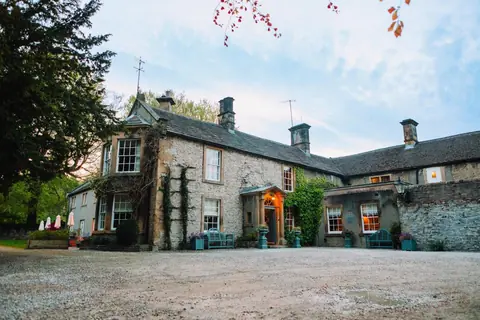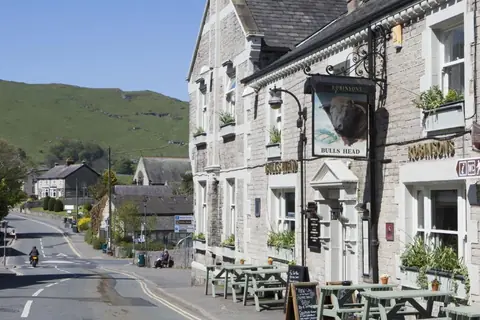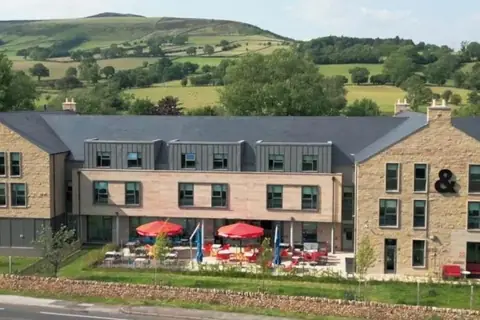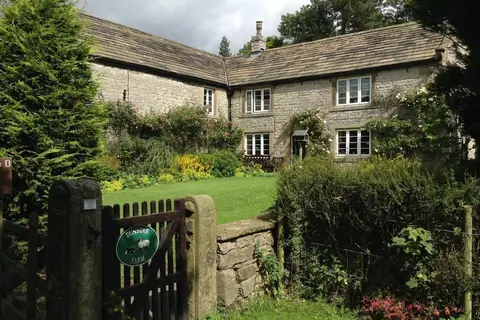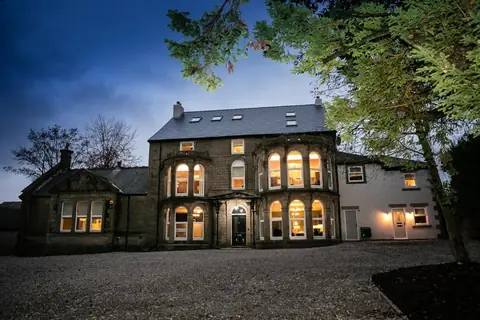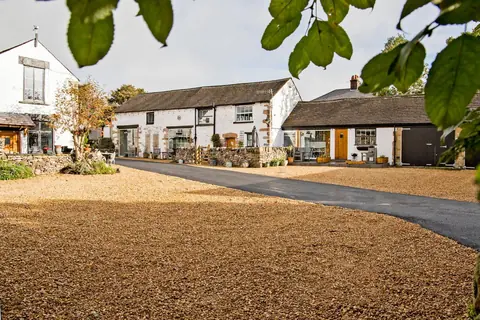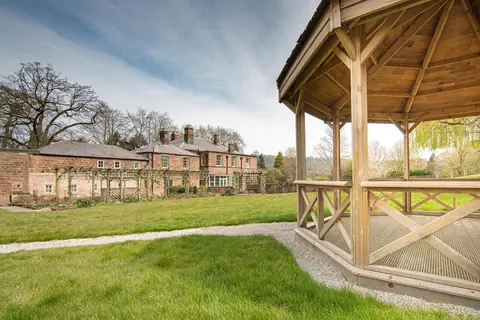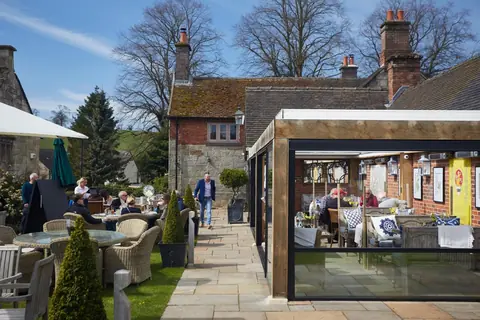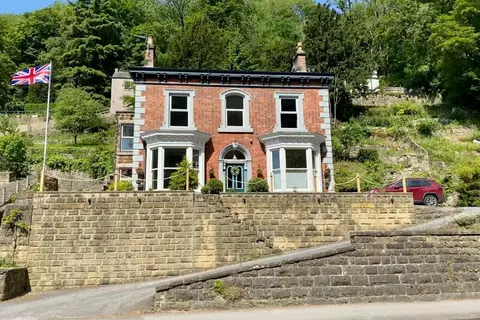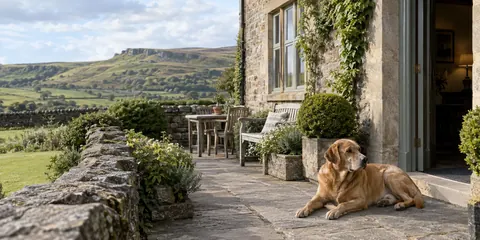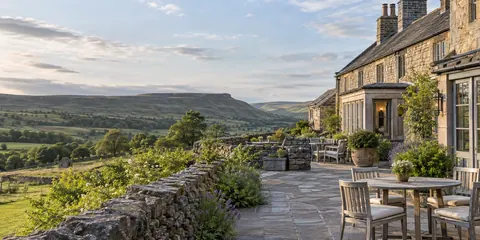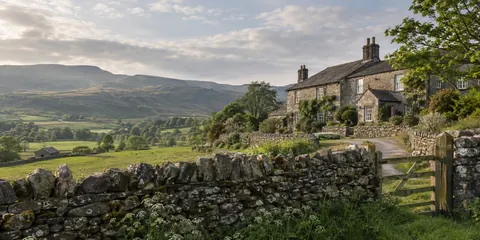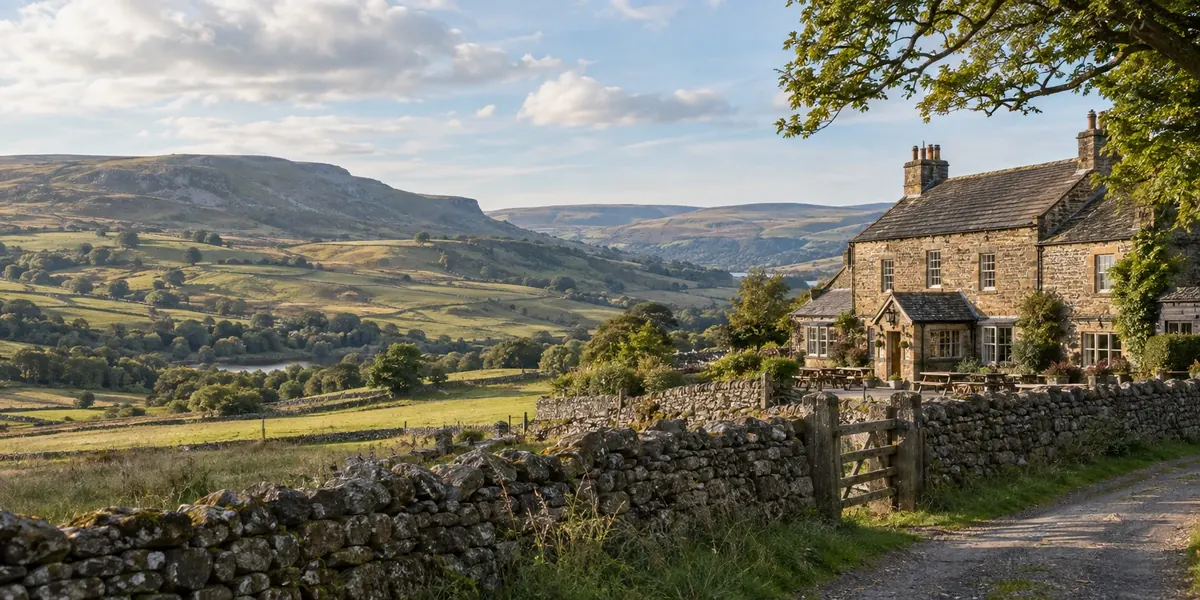
Where to stay in the Peak District: illustrative photo of countryside and a stone-built house

Destination

Where to Stay in the Peak District

Where to stay in the Peak District depends on whether you want limestone dales and a market town, or gritstone edges and showcaverns. The national park covers 555 square miles across the Derbyshire Dales, Staffordshire Moorlands and High Peak, and was the first national park designated in Britain, in 1951.

By the ChooseMyHotel editorsUpdated Not yet checked with the properties

Bakewell and the White Peak sit on a limestone plateau in the south, with dry valleys and stone villages. Castleton and the Hope Valley lie in the Dark Peak to the north, under gritstone edges and the Kinder Scout plateau.

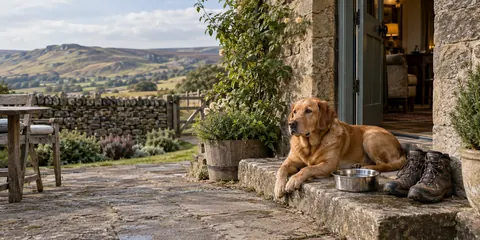
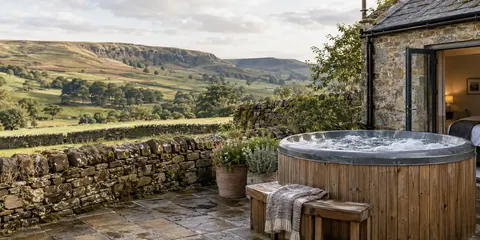
Trains on the Hope Valley Line link Sheffield and Manchester through Edale, Hope, Bamford, Hathersage and Grindleford, so you can base yourself without a car. Buxton, on the western edge, has its own station from Manchester Piccadilly. Further south, Matlock and Wirksworth sit in the Derbyshire Dales just outside the park boundary and suit a quieter stay. Whichever area you choose, check dog-friendly hotels in the Peak District or hot tub breaks for what's confirmed at each stay.

Where to base yourself

Bakewell and the White Peak

Bakewell is the Peak District's best known market town, with a Monday street market and a National Park Centre on Bridge Street. It suits a first visit: shops, cafes and a bus interchange sit within walking distance, and the town is close to Chatsworth and Haddon Hall. The central car park next to the visitor centre stays closed to visitors until 6pm on market Mondays, so check before planning a Monday arrival.

South and west of Bakewell, the White Peak's limestone plateau holds smaller bases such as Tideswell and Hartington. Both suit walkers who want quiet lanes and dry valleys rather than a town centre. Neither has a railway station, so you need a car or a connecting bus from Buxton or Bakewell. This part of the Peak District works well for dog walkers and cyclists heading for the Monsal Trail and the Tissington Trail, both disused railway lines turned into traffic-free paths.

On our lists here
Castleton and the Hope Valley

Castleton sits under Mam Tor at the head of the Hope Valley, with four showcaverns and a visitor centre car park run by the local council next to it. It suits visitors who want caves, gritstone edges and the Pennine Way's start at Edale within reach, and it gets busy on summer weekends and bank holidays.

Hope, Bamford and Hathersage are strung along the Hope Valley Line between Sheffield and Manchester, each with its own station. You can stay without a car and still reach Castleton, Edale or Grindleford by train. Hathersage also has an open air swimming pool and sits close to Stanage Edge, a gritstone escarpment popular with climbers.

On our lists here

Buxton and the western edge

Buxton is a spa town on the western edge of the Peak District, with its own railway station served by trains from Manchester Piccadilly. The Georgian Crescent, the Pavilion Gardens and the Buxton Opera House give it more to do in the evening than the smaller villages. It also has the widest choice of shops and restaurants in the area.

Whaley Bridge and New Mills lie further north, close to the Goyt Valley and the western flank of Kinder Scout, and both have stations on lines from Manchester. They suit a stay that mixes walking with easy access back into Manchester or Stockport, and they tend to cost less than Buxton or Castleton at busy times.

On our lists here

Matlock, Wirksworth and the southern Dales

Matlock and Wirksworth lie in the Derbyshire Dales just south of the national park boundary, with Matlock's railway station on the line from Derby and Nottingham. This area suits a stay built around Dovedale, the Tissington Trail and the Derwent Valley Mills World Heritage Site. It also puts you closer to Derby and the M1 than a base further north.

Ashbourne, sometimes called the gateway to Dovedale, sits at the southern end of the Tissington Trail, a traffic-free path along a former railway. All three towns have more everyday shops and services than the smaller Peak District villages, which suits a longer stay or a trip that mixes walking days with quieter ones.

On our lists here

Our lists for the Peak District

A few stays from those lists

Practical information

Getting there

The Hope Valley Line connects Sheffield and Manchester Piccadilly through Edale, Hope, Bamford, Hathersage and Grindleford, all within the Dark Peak. Buxton has its own branch line from Manchester Piccadilly. Manchester Airport and Sheffield are both within about an hour's drive of most Peak District towns, and East Midlands Airport is closer to the southern Dales around Matlock.

Parking and driving

Peak District National Park car parks and district council car parks are dotted through the main villages, and many now take payment through the PayByPhone app. Bakewell's central car park closes to visitors until 6pm on Mondays for the street market. Roads through the Hope Valley and around Castleton get busy on summer weekends, so arrive early or use the train.

Getting around without a car

Between late May and mid October, the Peak Sightseer open top bus runs two routes from Chatsworth to Bakewell, Castleton and the Hope Valley villages. A day ticket covers both. Stagecoach and High Peak buses run year round between Sheffield, Bakewell, Buxton, Castleton and Glossop. Traveline covers timetables and journey planning across the whole area.

When to visit

Peak District villages are busiest on summer weekends and bank holidays, when car parks fill early and roads through the Hope Valley can be slow. Spring and fine autumn days bring quieter trails, and the Peak Sightseer bus and some seasonal facilities run only from late May to early October.

Other destinations

Where to stay in the Peak District: questions

What's the best area to stay in the Peak District?

It depends on what you want to do. Bakewell suits a first visit with shops and easy walking, Castleton and the Hope Valley suit caves and gritstone edges, and Buxton has the widest choice of restaurants and evening things to do.

Can you visit the Peak District without a car?

Yes. The Hope Valley Line runs trains between Sheffield and Manchester through Edale, Hope, Bamford, Hathersage and Grindleford. Buxton has its own station too. The seasonal Peak Sightseer bus and year round Stagecoach services link the villages that trains don't reach.

Is Bakewell or Castleton better to stay in?

Bakewell is a market town with more shops, cafes and transport links, and suits a first visit. Castleton is smaller, sits under Mam Tor with four showcaverns close by, and suits visitors focused on caving and walking in the Hope Valley.

How do you get to the Peak District by train?

The Hope Valley Line links Sheffield and Manchester Piccadilly, stopping at Edale, Hope, Bamford, Hathersage and Grindleford. A separate branch line runs from Manchester Piccadilly to Buxton on the western edge. Matlock, in the southern Dales, is reached from Derby and Nottingham.

Sources