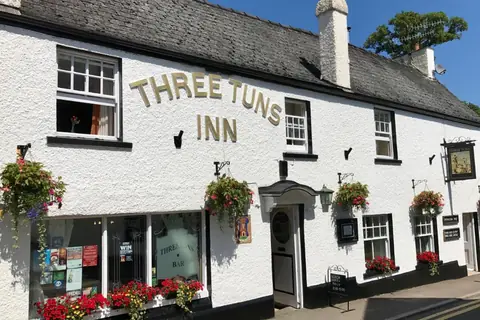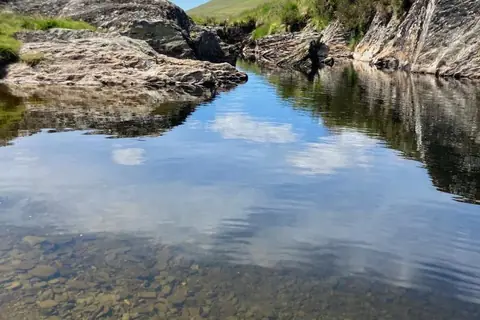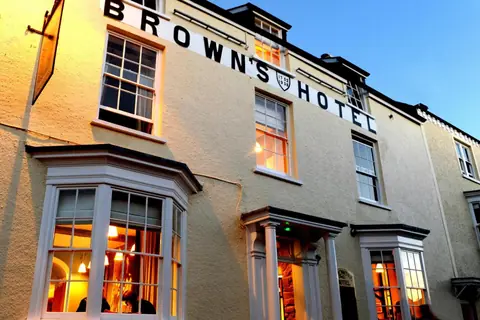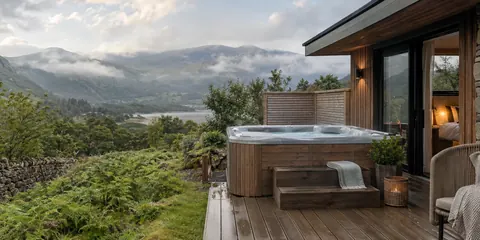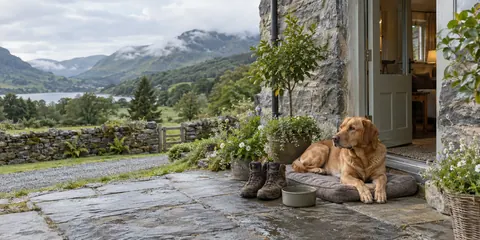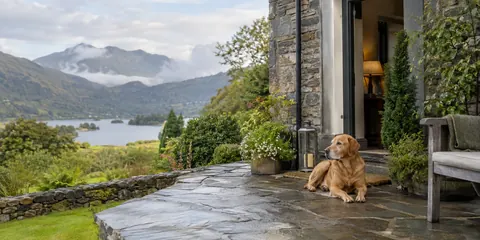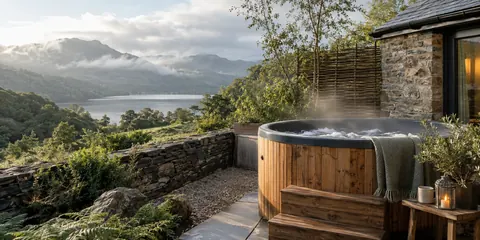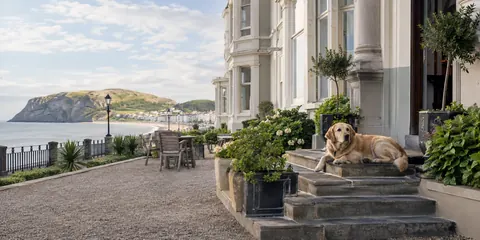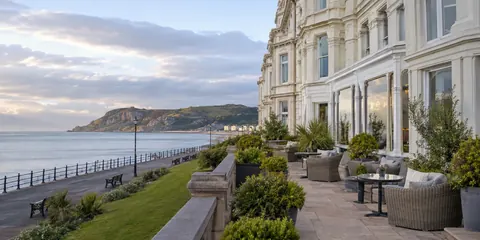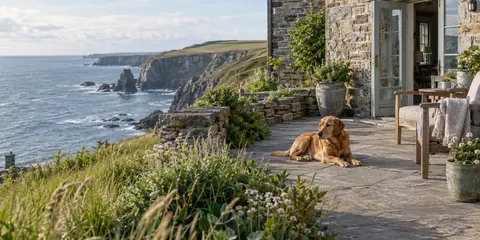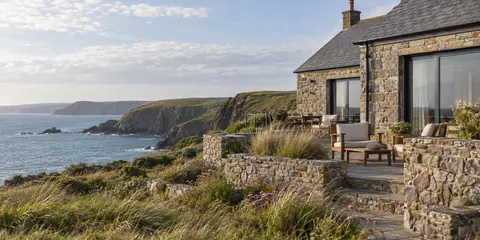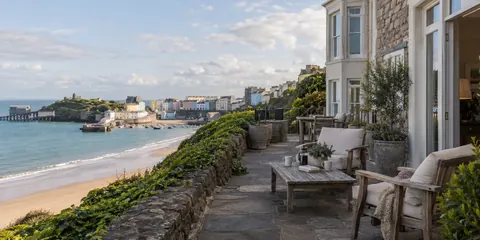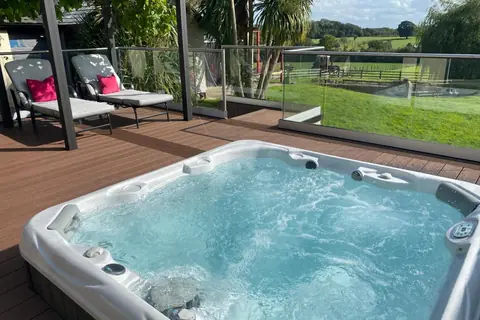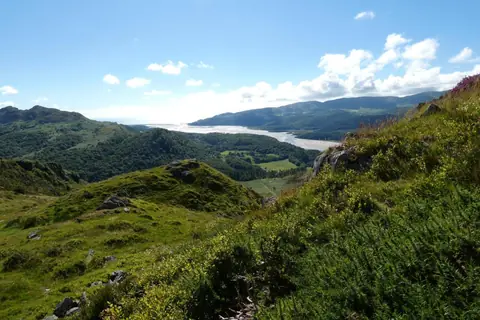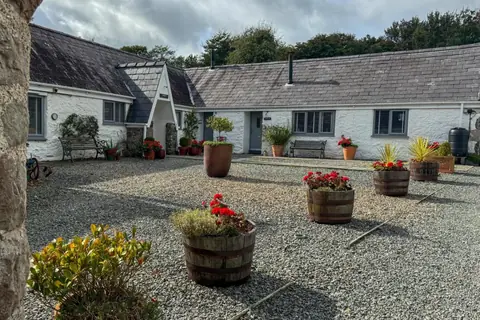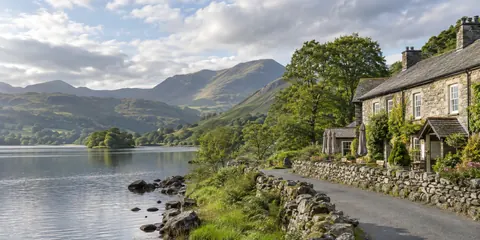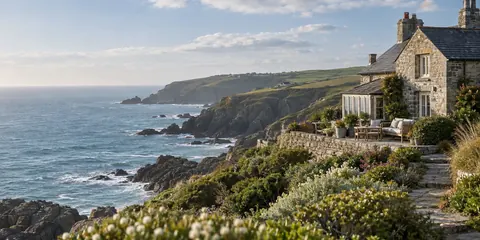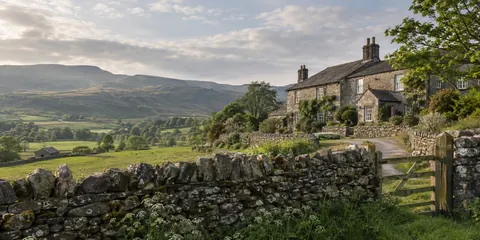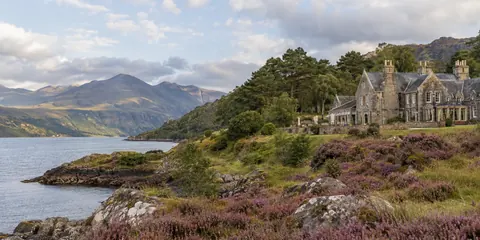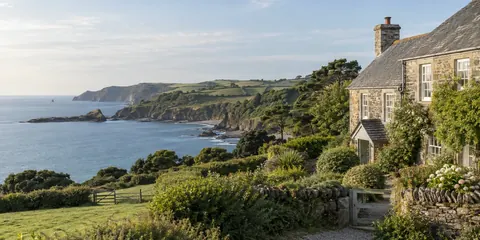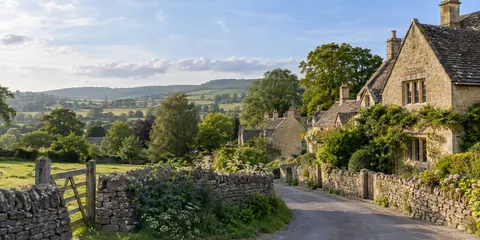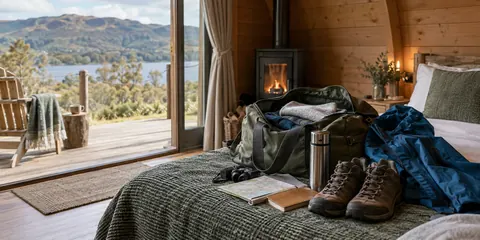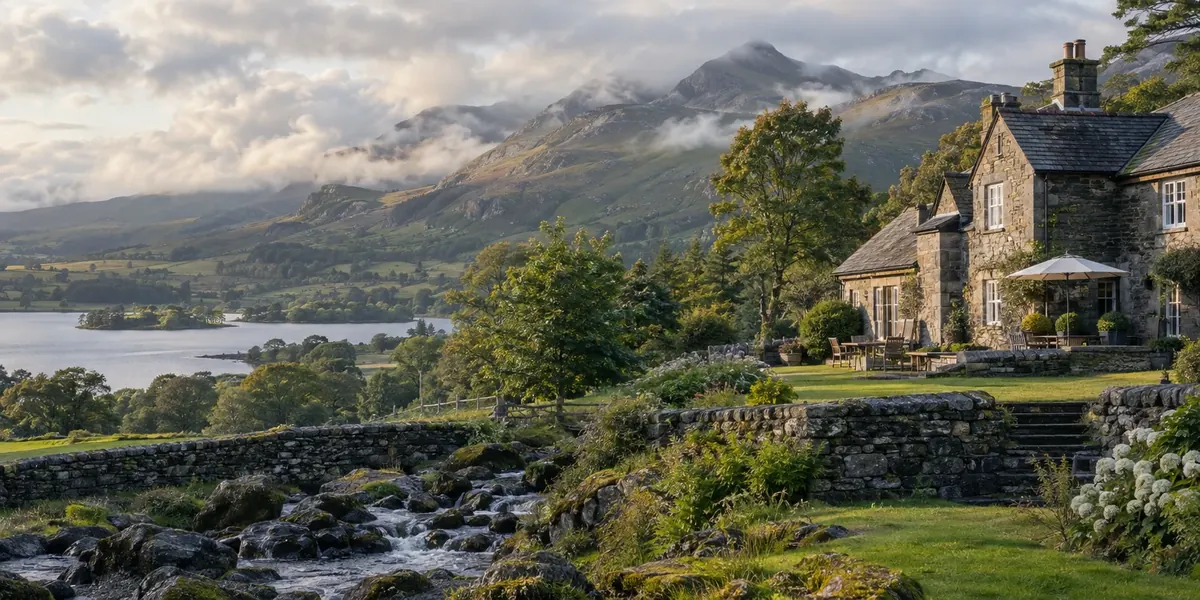
Where to stay in Wales: illustrative photo of countryside and a stone-built house

Destination

Where to Stay in Wales

Wales packs mountains, a full coastal path and a compact capital into a country you can cross by car in a few hours. Where you base yourself changes the trip more than almost anywhere else in Britain, because the north, the west coast, the southern hills and Cardiff each have their own pace and their own transport.

By the ChooseMyHotel editorsUpdated Not yet checked with the properties

This guide splits Wales into four areas: Eryri (Snowdonia) in the north, Pembrokeshire in the west, Bannau Brycheiniog (the Brecon Beacons) in the south east of the middle, and Cardiff and the south coast. Each section covers who it suits, how to get there, and what parking and seasonality look like, before you start comparing individual hotels in Wales.

Where to base yourself

Eryri (Snowdonia) and the north

Eryri National Park Authority now uses the Welsh name Eryri, alongside Yr Wyddfa for the mountain long known in English as Snowdon, following a vote by the authority in November 2023. The park covers a large stretch of mountains, lakes and valleys in the north, with the coast running from Conwy round to the Llyn peninsula.

Betws-Y-Coed and Llanberis sit inside the mountains and suit walkers heading up Yr Wyddfa or into the Ogwen valley. Caernarfon and Conwy give you a castle town base with easier road access, both part of the Cadw-managed Castles and Town Walls of King Edward in Gwynedd World Heritage Site. Llandudno and Colwyn Bay on the north coast suit a gentler, seaside stay with rail links, while Porthmadog, Harlech and Barmouth on the Cambrian coast put you closer to beaches and the dog-friendly cottages Wales has further south along that line.

If you plan to walk up Yr Wyddfa, note that the main Pen y Pass car park requires advance booking and fills during the March to November season.

On our lists here

Pembrokeshire and the west coast

Pembrokeshire Coast National Park runs along most of the coastline here, with the Pembrokeshire Coast Path stretching about 186 miles from Amroth to St Dogmaels, part of the wider Wales Coast Path. St Davids, Britain's smallest city, sits at the western tip and makes a good base for the coast path, Ramsey Island boat trips and Whitesands beach.

Tenby and Saundersfoot on the south coast are the most set up for families, with sandy beaches close to town and a working harbour at Tenby. Haverfordwest sits inland as the county town and a transport hub, useful if you want a central base with rail access rather than a coastal one. Narberth and Fishguard both work as quieter alternatives, Fishguard with ferry links to Ireland.

The National Park Authority manages around 40 car parks along the coast, with charges applying between 1 March and 31 October at some sites. Book ahead for hotels in Tenby and dog-friendly hotels in Pembrokeshire through the summer, when the coast path draws the biggest crowds.

On our lists here

Bannau Brycheiniog (Brecon Beacons)

The national park authority here rebranded from Brecon Beacons to Bannau Brycheiniog in April 2023, and both names are still in general use. It covers open hills, waterfalls and reservoirs south of the Cambrian mountains, and it was recognised as an International Dark Sky Reserve in 2013, the fifth in the world.

Brecon itself is the natural base for walking Pen y Fan and the central hills, with a market town centre and canal basin. Abergavenny sits at the eastern edge, closer to the Blorenge and Skirrid, and works well if you also want quick access to the Wye Valley. Llandovery and Llandrindod Wells lie further north on the Heart of Wales railway line, a slower option if you are travelling without a car.

This is hill country rather than beach country, so pack for changeable weather and check a spa hotel in Wales if you want somewhere to recover after a day on the hills.

On our lists here

Cardiff and the south

Cardiff is the capital and the main transport hub for the south, with direct rail connections into England and a compact centre built around the castle and Cardiff Bay. It suits a city break or a first and last night either side of a longer Welsh trip.

Swansea and The Mumbles sit on Swansea Bay, giving you a city base with the Gower peninsula and its beaches close by. Caerphilly, just north of Cardiff, has one of the largest castles in Britain and works as a quieter alternative with easy rail access into the city.

Wrexham, Llangollen and the Dee valley towns in the north east sit apart from the rest of the south and suit a separate short trip, particularly if you are exploring the Pontcysyllte Aqueduct area rather than combining it with Cardiff.

On our lists here

Our lists for Wales

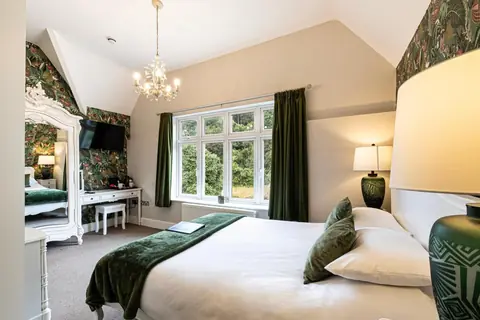
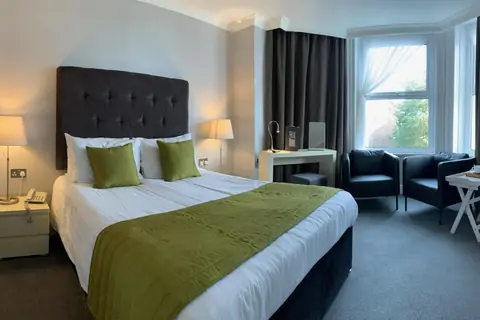
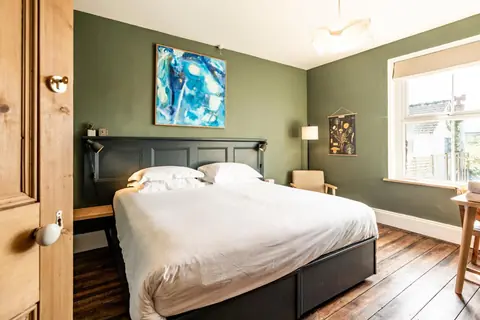
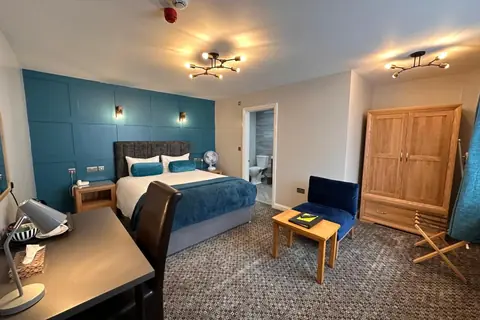
A few stays from those lists

Practical information

Getting there

Cardiff Central is the main rail gateway to the south, with direct services from England. The Cambrian Line links Shrewsbury to Pwllheli via Porthmadog, Harlech and Barmouth, and the Heart of Wales Line runs from Shrewsbury to Swansea via Llandrindod Wells and Llandovery, both operated by Transport for Wales. A car gives you far more flexibility in Pembrokeshire and Eryri, where rural bus services run less often.

Parking and car-free options

Pembrokeshire Coast National Park Authority charges at some of its roughly 40 car parks between 1 March and 31 October, with free parking outside that period. In Eryri, the Pen y Pass car park for Yr Wyddfa needs advance booking and the Sherpa'r Wyddfa bus links Llanberis, Nant Peris and Caernarfon to the trailheads if you would rather leave the car. Traveline Cymru covers journey planning by bus and train across the whole country.

When to go

Summer school holidays bring the heaviest demand to the coast path towns and the Eryri trailheads, with car parks filling early in the day. Spring and autumn give quieter roads and paths in both national parks, though hill weather can turn quickly at any time of year, so check the forecast before a walk above the valleys.

Other destinations

Relevant guides

Where to stay in Wales: questions

Is it Snowdonia or Eryri now?

The national park authority voted in November 2023 to use the Welsh names Eryri for the park and Yr Wyddfa for the mountain, replacing Snowdonia and Snowdon in its own branding. Both names are still widely understood, but official park communications now lead with Eryri.

Is it the Brecon Beacons or Bannau Brycheiniog?

The park authority rebranded to Bannau Brycheiniog in April 2023, and its website leads with that name, with Brecon Beacons used alongside it. Either name refers to the same national park in the south east of central Wales.

Do you need a car to get around Wales?

A car makes rural Pembrokeshire and inland Eryri far easier, since bus services outside the main towns run less frequently. The Cambrian and Heart of Wales rail lines and Traveline Cymru's journey planner make a car-free trip possible along those specific corridors, with more planning.

What is the Pembrokeshire Coast Path?

It is a National Trail running about 186 miles along the Pembrokeshire coast from Amroth to St Dogmaels, forming part of the wider Wales Coast Path. It passes numerous beaches and harbours and can be walked in short day sections from most coastal towns.

When is the best time to visit Eryri or Pembrokeshire?

Spring and autumn bring quieter car parks and paths in both national parks, while summer is the busiest and needs earlier starts or advance parking bookings. Winter weather on the higher hills changes fast, so plan mountain walks around the forecast rather than the calendar.

Sources