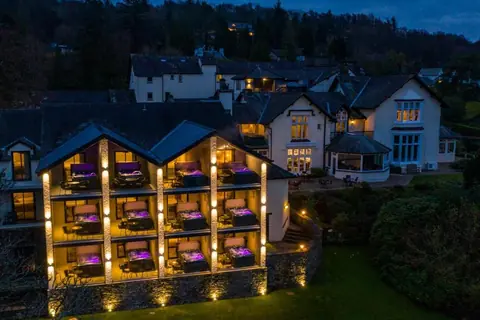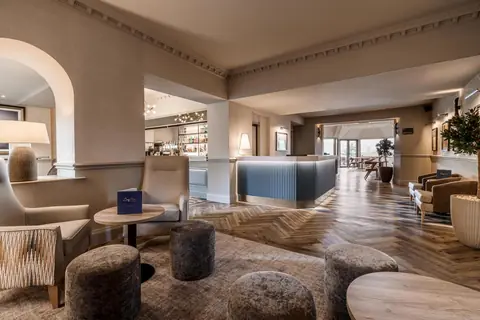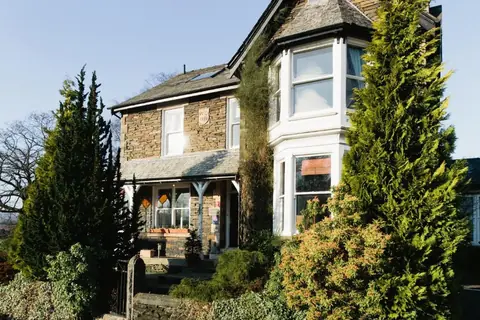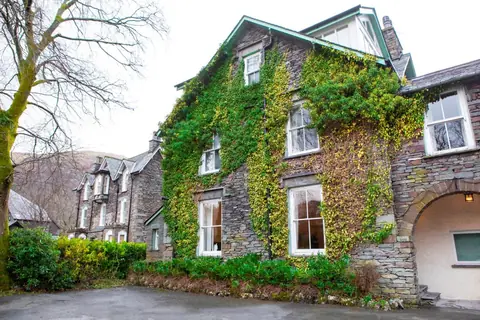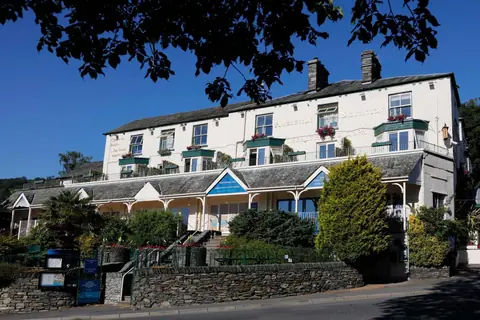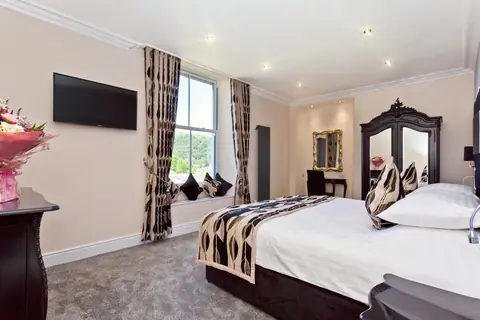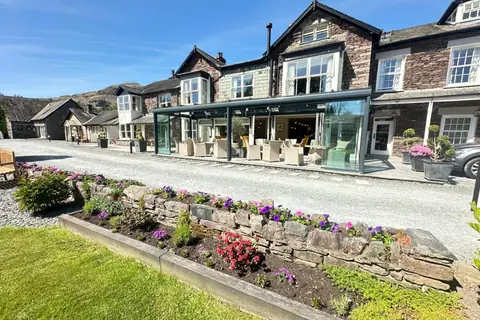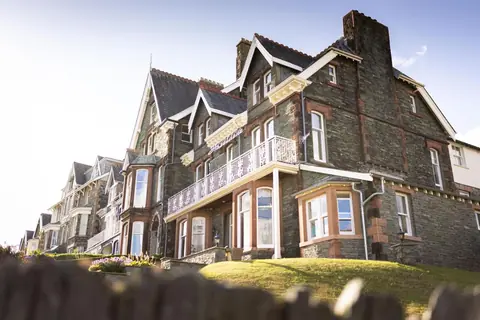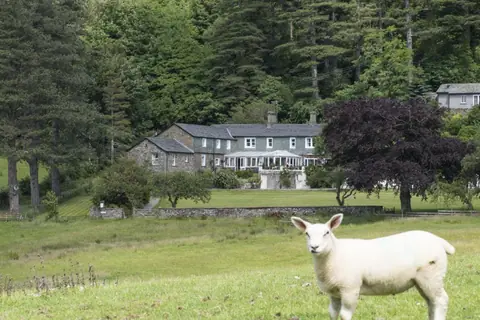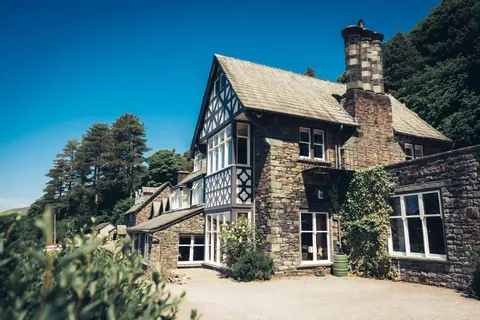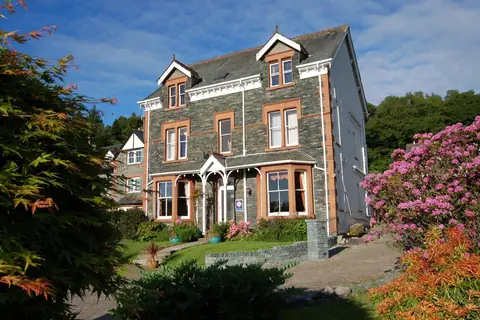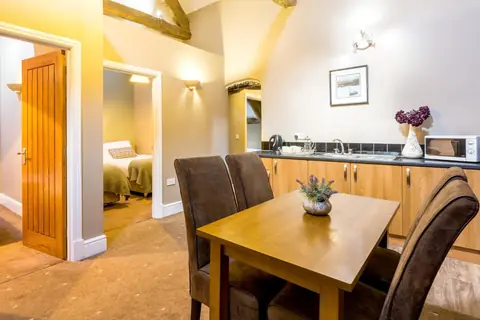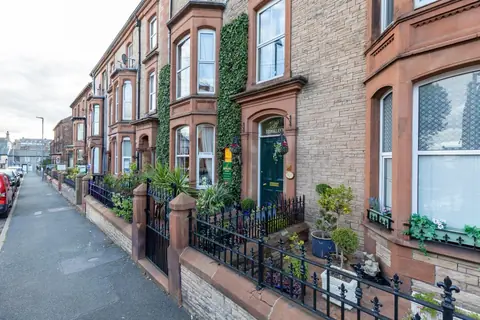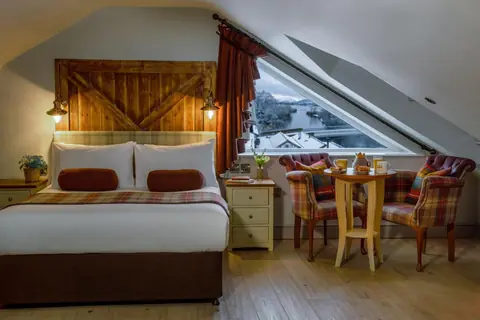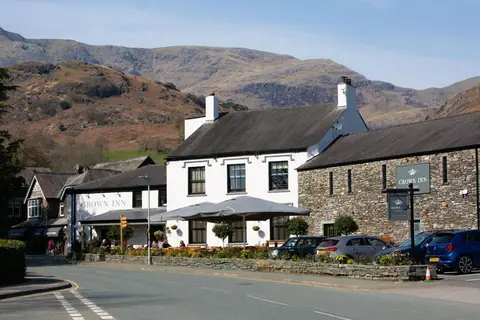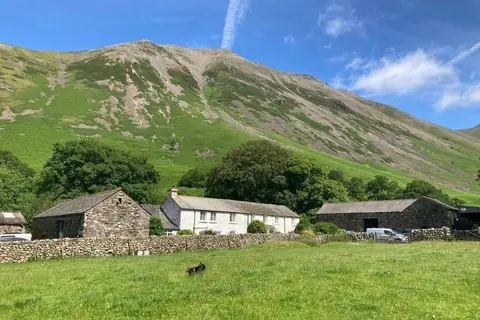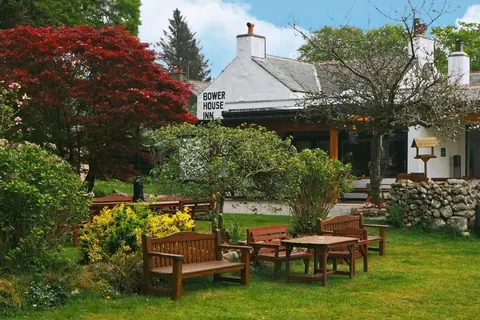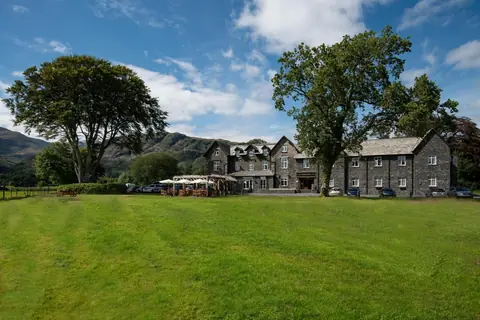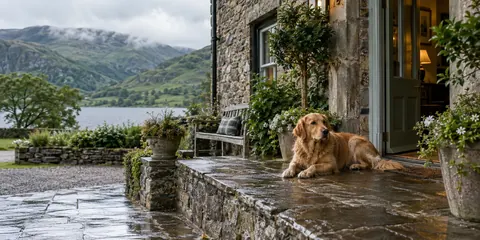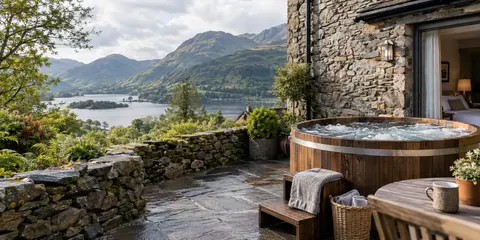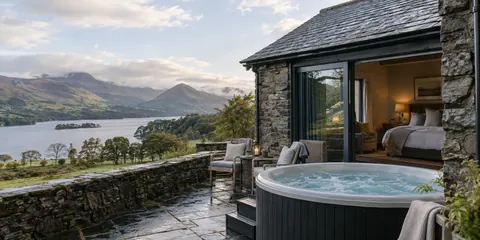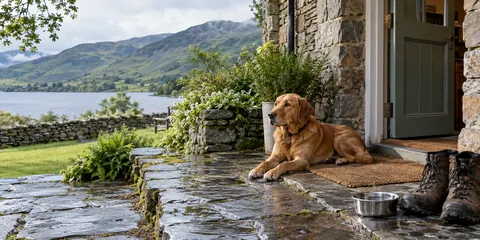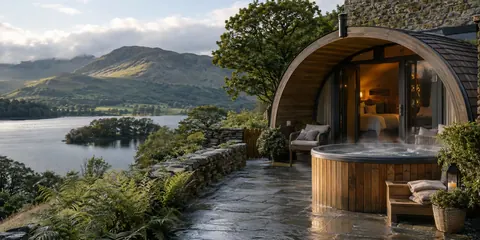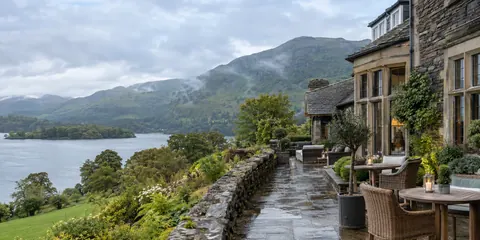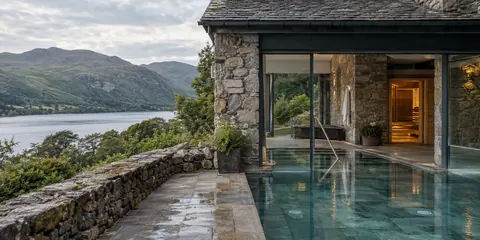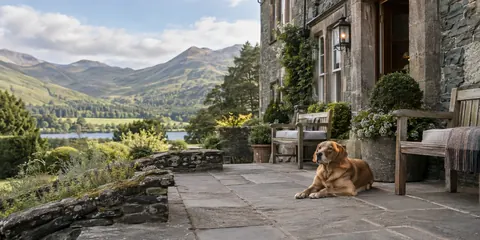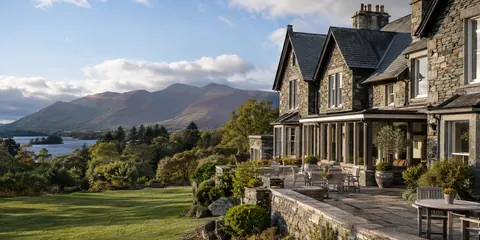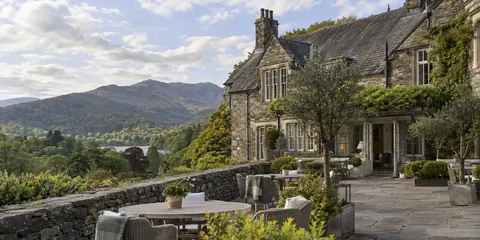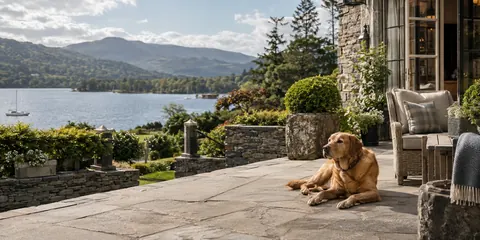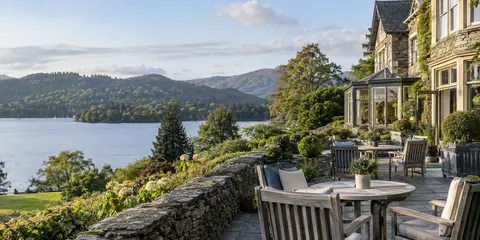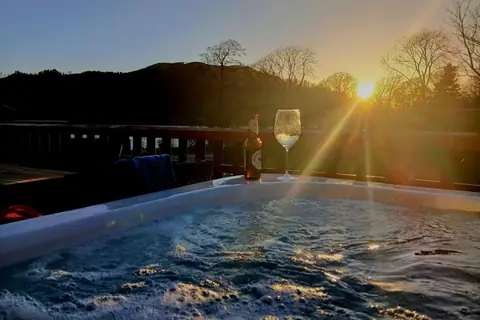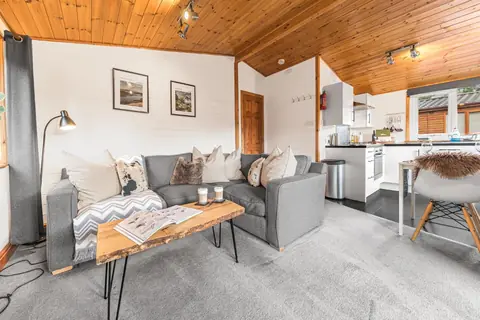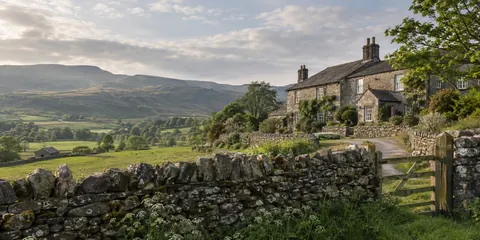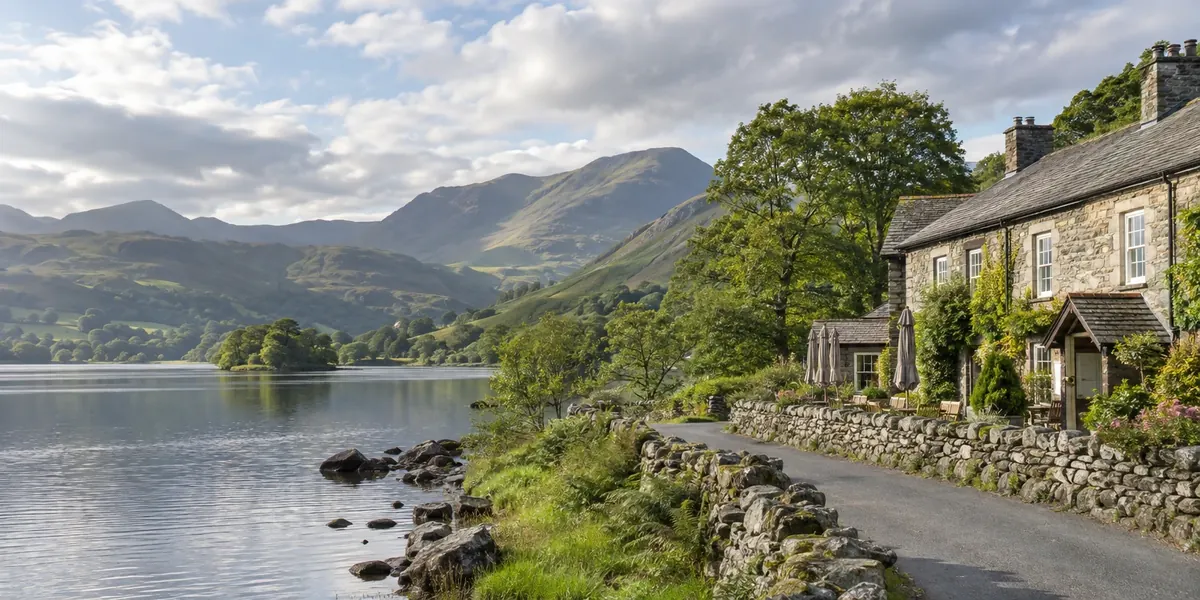
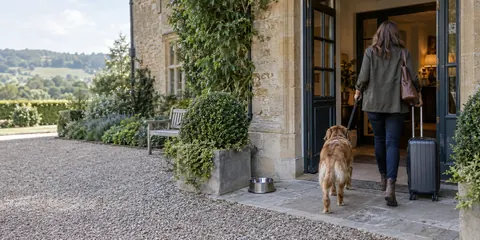
Where to stay in the Lake District: illustrative photo of countryside and a stone-built house

Destination

Where to Stay in the Lake District

The Lake District National Park covers 912 square miles of Cumbria, from Windermere in the south to Keswick and the northern fells, with no single centre to base yourself from. Windermere is the only town inside the National Park with a direct rail service, on a branch line from Oxenholme on the West Coast Main Line.

By the ChooseMyHotel editorsUpdated Not yet checked with the properties

Everywhere else, you are choosing between a road journey and a bus connection, so where you stay shapes how much driving you do each day.

If you want lake cruises, shops and a short walk from the platform, base yourself around Windermere or Bowness. For fell walking and Wordsworth country, Ambleside and Grasmere sit closer to the central peaks. Keswick suits the northern lakes and Borrowdale. Ullswater and the western dales, around Wasdale and Eskdale, are quieter, with narrower roads and fewer buses, so allow more time to get there.

Where to base yourself

Windermere and Bowness

Windermere is the only town in the Lake District National Park with a direct train, on a branch line from Oxenholme run by Northern. The station is staffed part time, open from 7am to 10pm daily. Bowness, a short walk or bus ride from the station, sits on the shore of Windermere itself, England's longest lake at 10.5 miles.

This area suits a first visit or a trip without a car: you arrive by train, then walk to lake cruises, shops and cafes nearby. Newby Bridge marks the quieter southern end of the lake, with the fells rising further north.

On our lists here
Ambleside and Grasmere

Ambleside and Grasmere sit inland from Windermere, closer to the central fells and the classic valley walks. Neither has a railway station. The Stagecoach 555 bus links Kendal, Windermere, Ambleside and Grasmere with Keswick further north. The route covers about 45 miles from Lancaster, so you can base here without driving every day.

Ambleside has more shops, restaurants and car parks, and works well as a walking base for the surrounding valleys. Grasmere is smaller and quieter, with limited parking in the village itself, so check whether a stay includes off-street parking. For stays in the town, see hotels in Ambleside.

On our lists here

Keswick and the northern lakes

Keswick lost its railway station when the line to Penrith closed in 1972, and the old trackbed is now a walking and cycling path. The X4 and X5 buses connect Keswick with Penrith station today, running through Threlkeld and the villages around Bassenthwaite and Thirlmere.

This area suits a stay built around Derwentwater, Buttermere and the northern fells, with Cockermouth a short drive further west for a market town base away from the busiest lakes. Keswick itself has the widest choice of car parks, shops and restaurants in the north of the park. If you are travelling with a dog, dog-friendly hotels in Keswick narrows the search.

On our lists here

Ullswater and the eastern fells

Ullswater has no railway station of its own. Penrith, on the West Coast Main Line and at Junction 40 of the M6, is the nearest, about 5 miles from the north end of the lake. The 508 bus links Penrith with Pooley Bridge, Aira Force, Glenridding and Patterdale, timed to connect with Ullswater Steamers at the piers.

Villages such as Askham, Dockray, Tirril and Penruddock sit in the quieter eastern fells around the Eamont valley, with fewer buses and narrower roads than the central lakes. This area suits walking and a slower pace, rather than a base for daily trips by public transport alone.

On our lists here

Coniston, Eskdale and the western fells

Coniston, Eskdale and Wasdale sit in the western and southern fells, further from the main road network and best reached with more time in hand. Eskdale has its own narrow-gauge line, the Ravenglass and Eskdale Railway, running about 7 miles from Ravenglass on the Cumbrian Coast Line up to Boot.

Wasdale, home to Wastwater, England's deepest lake at 74 metres, has minimal public transport and suits a stay with your own car. Coniston sits closer to the central lakes with a more regular bus service. Coastal villages such as Gosforth, Seascale and Holmrook make a quieter base for exploring the fells inland. See hotels with hot tubs in the Lake District for options after a day's walk.

On our lists here

Our lists for the Lake District

A few stays from those lists

Practical information

Getting there

The M6 reaches the Lake District at two main junctions: J36 with the A590 for the southern lakes, and J40 with the A66 or A592 for Penrith, Keswick and Ullswater. Windermere is the only town inside the National Park with a direct train, on a branch line from Oxenholme on the West Coast Main Line. Oxenholme, Penrith and Carlisle are the nearest mainline stations for everywhere else, with a bus needed to finish the journey. The Stagecoach 555 Lakes Connection bus covers about 45 miles between Lancaster and Keswick, via Kendal, Windermere, Ambleside and Grasmere.

Parking

Car parks in the National Park are run by the National Park Authority, the National Trust and local councils, so charges and machines vary from one site to the next. Some rural car parks have no internet connection, so card payment is not always possible, and it is worth carrying coins. A Park and Explore ticket covers all-day parking at selected car parks plus a day's bus travel for up to five people.

Getting around without a car

Beyond the 555, the X4 and X5 buses link Keswick with Penrith, and the 508 connects Penrith station with Pooley Bridge, Aira Force, Glenridding and Patterdale on Ullswater. Coverage thins out further west around Wasdale and Eskdale, where a car makes a stay easier to plan.

Seasons and dog rules

The National Park recorded over 18 million visitors in 2023, so summer weekends and school holidays bring the most traffic and the fullest car parks. If you are bringing a dog, it must be on a lead no longer than two metres on Open Access Land between 1 March and 31 July. It must also be on a lead around livestock at any time of year. Our Lake District dog walks guide covers routes in more detail.
Other destinations

Relevant guides
Where to stay in the Lake District: questions
Which town has the only railway station in the Lake District?

Windermere is the only town inside the Lake District National Park with a direct railway station, reached by a branch line from Oxenholme on the West Coast Main Line. Everywhere else, the nearest mainline stations are Oxenholme, Penrith or Carlisle, with a bus or taxi needed to finish the journey.

Can I visit the Lake District without a car?

Yes, though your choice of area matters more than it would elsewhere. Windermere, Ambleside, Grasmere and Keswick are linked by the Stagecoach 555 and X4/X5 buses, while Ullswater has the 508. Wasdale and Eskdale have far fewer services, so a car makes those areas easier to reach.

Do I need coins for Lake District car parks?

It helps to carry coins. Car parks are run by several different bodies, including the National Park Authority, the National Trust and local councils. Some rural sites have no internet connection, so card payment is not always available. Check before you set off.

Do dogs have to be on a lead in the Lake District?

Yes, on Open Access Land dogs must be on a lead no longer than two metres between 1 March and 31 July. They must also be on a lead around livestock at any time of year. Local signs may add further restrictions, so check on arrival.

Which area suits a first visit to the Lake District?

Windermere and Bowness suit a first visit, since Windermere has the only railway station in the park and Bowness is a short walk from the lake shore. Ambleside and Keswick both make good second bases with more walking on the doorstep.

Sources