Check what is provided before you pack
Glamping covers pods, shepherd's huts, yurts, bell tents and cabins, and what comes with the pitch differs by structure and by site. A heated pod with an en suite might include bedding and towels as standard. A bell tent on a field might give you a mattress and nothing else. Read the listing's small print, and if it does not say, ask the site directly rather than guessing.
- Bedding: duvets, pillows and linen are sometimes included, sometimes an optional extra, and sometimes not offered at all
- Towels: often not provided in canvas structures, more likely in a fitted pod or cabin
- Cooking equipment: pots, pans and a hob may be built in, or you may need a camping stove
- Power: some pitches have no mains electricity at all
Travelling with children or a dog
A canvas or timber structure is a different space to manage with children than a hotel room, so pack with that in mind rather than treating it as a smaller version of a normal break.
- A stair gate or similar barrier if a pod has a mezzanine or raised sleeping area and you are travelling with a toddler
- A nightlight or dim torch for children who wake in an unfamiliar dark space
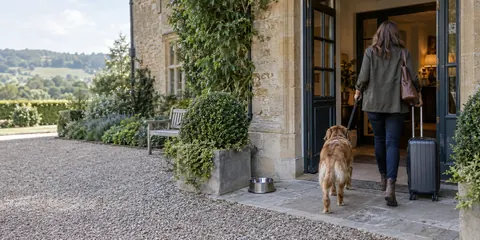
- A dog bed or blanket and food bowls, and a lead long enough for a site with no fenced garden
- Poo bags and a torch for late walks, since many sites have no lighting between pitches
Bedding and warmth
If the site does not confirm bedding is included, pack your own duvet or a sleeping bag rated for the season, plus a pillow each. Canvas structures such as bell tents and yurts lose heat faster than an insulated pod. A sleeping bag liner or extra blanket is worth the space even in summer, when UK nights can still drop into single figures.
Layers and waterproofs
- A waterproof jacket, plus waterproof trousers if you have them
- Several thin layers rather than one thick one, so you can adjust through the day
- A warm hat and gloves, even for a summer trip, for cool evenings outside
- A spare set of dry clothes kept separate, in case the first set gets wet
Footwear, torches and toiletries
Sites are often on grass or uneven ground, and the walk from the car park or the shower block is rarely lit to hotel standards. Pack wellies or waterproof boots, and bring a proper torch or head torch rather than relying on a phone, especially if the pitch has no mains power.
- Wellies or waterproof walking boots
- A head torch or torch, plus spare batteries
- Flip-flops or sliders for a shared shower block
Do not assume an en suite bathroom the way you would in a hotel. Some pods have one, but many glamping pitches share a toilet and shower block a short walk away. Pack a wash bag you can carry rather than one built for a hotel shelf.
- A small first aid kit, including plasters and antihistamine, since you may be further from a pharmacy than on a normal break
- Hand sanitiser and wet wipes for a shared block or an evening without easy access to running water
- Toilet roll of your own, in case a shared block runs low overnight
- A basic sewing kit or gaffer tape for a quick fix to a guy rope or zip
Food and cooking
Confirm whether the pitch has a kitchen, a hob, or only space for your own camping stove, and pack accordingly. If you are bringing your own stove and gas, plan your cooking setup around the fire safety points below rather than improvising once you arrive. Ask too whether the site has a shop or is a drive from the nearest supermarket, since rural sites are not always within easy walking distance of one.
- A cool box or cool bag if there is no fridge
- Basic cooking kit if the site does not provide one: pans, a chopping board, a sharp knife
- Washing-up liquid, a cloth and bin bags, which are not always supplied
- Firelighters and dry kindling if the site allows a fire pit or wood burner
Weather, mud and rain
Fields drain differently to tarmac, and a dry pitch on arrival can be a different place after a night of rain. Pack for mud even if the forecast looks clear, and keep a groundsheet or old towel by the door to wipe boots before they come inside a pod or yurt.
- A doormat or old towel to keep mud out of the sleeping area
- A dry bag or bin liner to keep muddy boots separate from clean clothes in the car
- Extra socks. Wet feet are the most common reason a trip feels miserable rather than the weather itself
- A small washing line or pegs to dry wet kit overnight
Hot tub kit, where there is one
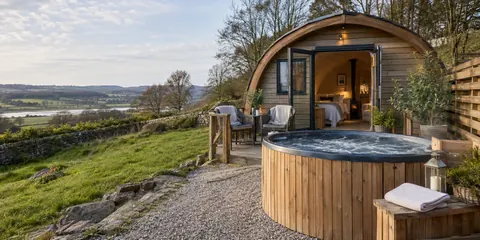
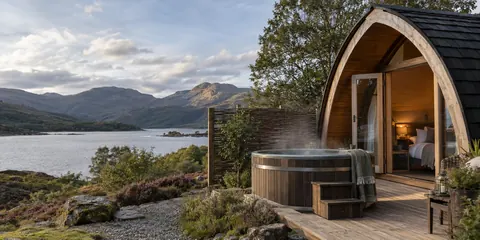
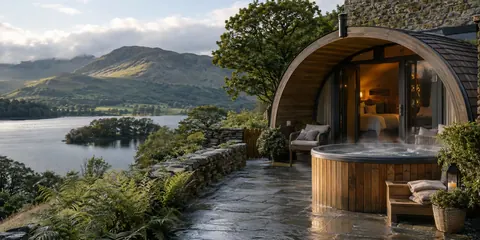
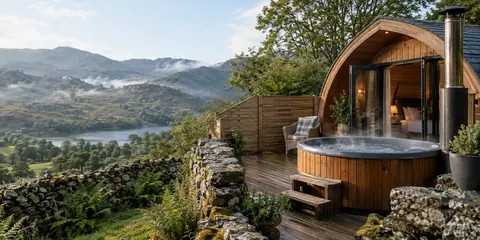
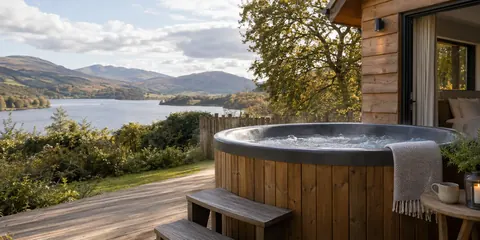
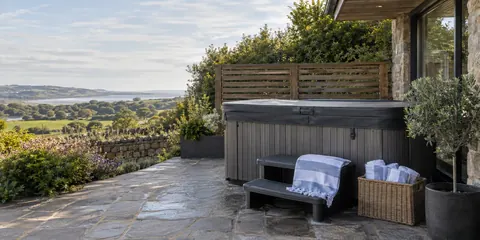
If your glamping stay with a hot tub is confirmed to have one, pack swimwear, a robe or towel to get back indoors, and flip-flops for wet decking. Ask the site how the tub is heated and whether there are set hours. Wood-fired tubs can take hours to reach temperature, and shared or timed tubs may not be available whenever you like.
Midges in Scotland
If you are glamping in Scotland, midges are worth planning around rather than being surprised by. VisitScotland's official guidance describes the midge season as running roughly from May to October, with peak activity in the middle of summer. It notes midges are most active at dawn and dusk on calm, overcast days, and are most common in the western Highlands, islands and damp rural areas.
- Cover up with long sleeves, trousers and light-coloured fabrics, tucking socks into trouser legs in tall grass
- Use a midge repellent and reapply after rain or sweat
- Avoid peak dawn and dusk periods outdoors where you can, and check local midge forecasts
- Midges do not carry disease and are a nuisance rather than a hazard, so they should not put you off Scottish glamping, just off leaving the tent flap open at dusk
Fire safety in a tent, pod or yurt
Glamping structures burn differently to brick buildings, and fire and rescue services publish specific advice for canvas and timber accommodation. Devon and Somerset Fire and Rescue Service warns against using cooking stoves or barbecues inside a tent, awning or sleeping area, because they produce carbon monoxide as well as a fire risk. It recommends keeping a stove or barbecue well away from canvas, with a bucket of water nearby while you cook.
- Never cook inside a tent, pod or awning, even with the doors open
- Keep gas cylinders and any spare fuel outside, away from children and naked flames
- Site campfires and barbecues well clear of tents and other pitches, and never use a barbecue to heat the inside of a tent
- Know where your nearest fire point or extinguisher is, and ask the site what to do and who to call if there is a fire
- Use a torch rather than a candle inside canvas accommodation