Where to stay in London: illustrative photo of countryside and a stone-built house

Destination

Where to Stay in London

Where to stay in London usually comes down to Zone 1: the central fare zone that covers most of what a first-time visitor wants to see. The best area to stay in London depends on how you travel and what you're doing each day.

By the ChooseMyHotel editorsUpdated Not yet checked with the properties

South Bank and Covent Garden suit sightseeing on foot, since the river, the West End and Trafalgar Square are all close together. Kensington offers a quieter, more residential base near the museums, and King's Cross suits travellers connecting onward by Eurostar or train.

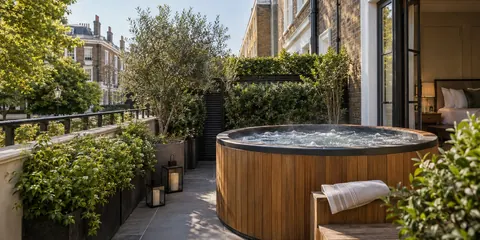
If you're driving, central London has a Congestion Charge on weekdays and weekends, and the Ultra Low Emission Zone covers every London borough, every day except Christmas Day. Most visitors don't need a car at all: the Underground, buses and walking cover Zone 1 well, and Heathrow and Gatwick both connect directly into the centre by rail. For accommodation with confirmed facilities, see dog-friendly hotels in London or hotels with hot tubs.

Where to base yourself

South Bank and Bankside

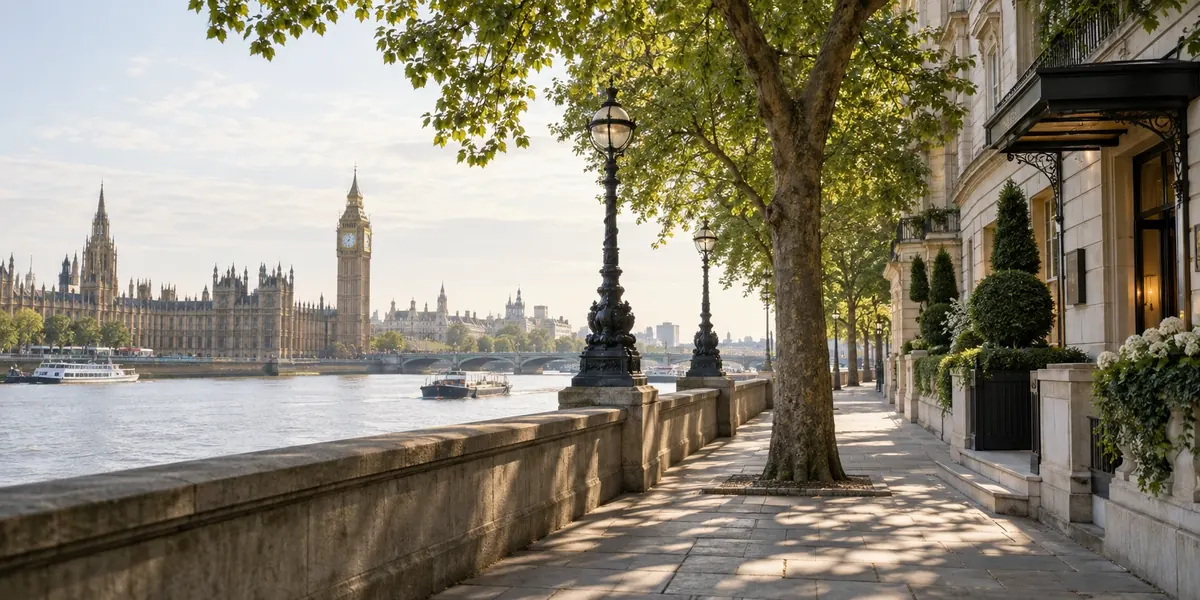
South Bank and Bankside run along the river from Westminster Bridge to Tower Bridge. The London Eye, Tate Modern, Shakespeare's Globe and Borough Market all sit within walking distance of each other. Waterloo and London Bridge stations both sit inside this stretch, giving fast links to the rest of the city and to Gatwick Airport.

The riverside path makes this a walkable base without needing the Tube for much of your stay, and the whole area sits in Zone 1 for Underground and bus fares. It suits a first visit built around sightseeing on foot, though the South Bank stays busy with visitors through most of the year.

On our lists here
Covent Garden and the West End

Covent Garden and the wider West End sit at the centre of Zone 1, within walking distance of Leicester Square, Soho and Trafalgar Square. Covent Garden and Leicester Square Underground stations sit around 300 metres apart, among the closest pair of stops on the network. That makes the area easy to reach by Tube from any London terminus.

This is the most central base for theatre, shopping and evening entertainment, and it sits inside the Congestion Charge zone if you're driving. It suits visitors without a car who want to walk to most attractions, though rooms here tend to sit at the more expensive end of central London.

On our lists here

Kensington

Kensington sits in Zone 1, home to the Natural History Museum, the Science Museum, the V&A and Kensington Gardens. High Street Kensington and South Kensington Underground stations both serve the area. It has a quieter, more residential character than Covent Garden or the South Bank, with garden squares, terraced streets and embassies rather than theatres.

Heathrow Express and the Elizabeth line both run into Paddington, a short Underground journey from Kensington, which makes this area a practical choice if you're flying into Heathrow. It suits families visiting the museums and travellers who want a calmer base within easy reach of the centre and the Underground network.

On our lists here

King's Cross and Islington

King's Cross sits at the northern edge of Zone 1. St Pancras International handles Eurostar and domestic trains, alongside King's Cross station for East Coast Main Line services to Edinburgh and the north. The area has been rebuilt around Granary Square and Coal Drops Yard, with restaurants and shops in former industrial buildings.

Islington, just to the east, is a more residential neighbourhood with Upper Street's restaurants and independent shops. This part of London suits travellers arriving by train from Scotland or the north of England, or heading onward to Europe by Eurostar. Both stations sit within the same few streets.

On our lists here

Our lists for London

A few stays from those lists

Practical information

Getting there

Heathrow connects to central London by the Elizabeth line and Heathrow Express, both running into Paddington, and by the Piccadilly line. Gatwick links to London Bridge, Victoria and other stations by Thameslink and Southern rail, and St Pancras International handles Eurostar trains from Paris, Brussels and Amsterdam.

The Congestion Charge and ULEZ

Central London has a Congestion Charge of £18 a day for driving inside the zone, Monday to Friday 7am to 6pm and weekends and bank holidays midday to 6pm. The Ultra Low Emission Zone covers all London boroughs and charges £12.50 a day for non-compliant vehicles, 24 hours a day. Both charges can apply on the same trip if your car doesn't meet the ULEZ standard.

Getting around

The Underground and buses run on a system of fare zones, with Zone 1 covering the centre and most areas in this guide. Contactless and Oyster cards cap your daily spending automatically, so there's no need to buy a paper ticket. Walking between Zone 1 areas like Covent Garden and the South Bank is often as fast as the Tube.

When to visit

London runs year round, and most museums and attractions stay open through the year. Term time and school holidays affect how busy central areas feel, and the Congestion Charge and ULEZ apply every day except Christmas Day, so factor them in whenever you're driving.

Other destinations

Where to stay in London: questions

Where is the best area to stay in London?

It depends on what you're doing. South Bank and Covent Garden suit sightseeing on foot, Kensington suits families near the museums and a Heathrow arrival, and King's Cross suits travellers connecting to Eurostar or trains north to Edinburgh.

What is the best area to stay in London for first time visitors?

Covent Garden or South Bank work well for a first visit, since most major sights, from Trafalgar Square to Tower Bridge, sit within walking distance or a short Tube ride. Both are in Zone 1, keeping Underground fares straightforward.

Do you need a car to get around London?

No. The Underground, buses and walking cover central London well, and driving adds the Congestion Charge and possibly the ULEZ charge on top of parking costs. Most areas in this guide sit in Zone 1, a short Tube or bus ride apart.

How do you get from Heathrow to central London?

The Elizabeth line and Heathrow Express both run from Heathrow into Paddington, and the Piccadilly line connects to central London more slowly but more cheaply. From Paddington, Kensington and the West End are a short Underground journey away.

What is the London Congestion Charge?

It's an £18 daily charge for driving inside central London, Monday to Friday 7am to 6pm and weekends and bank holidays midday to 6pm. It applies separately from the Ultra Low Emission Zone, which covers all London boroughs and charges non-compliant vehicles £12.50 a day.

Sources