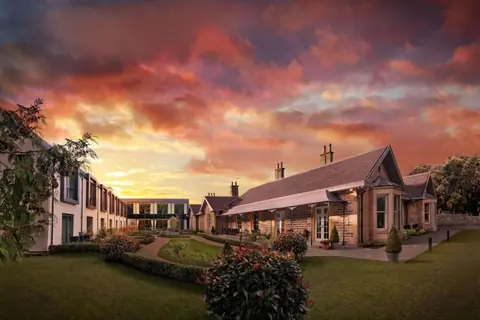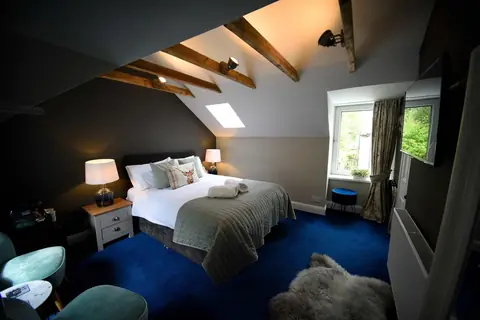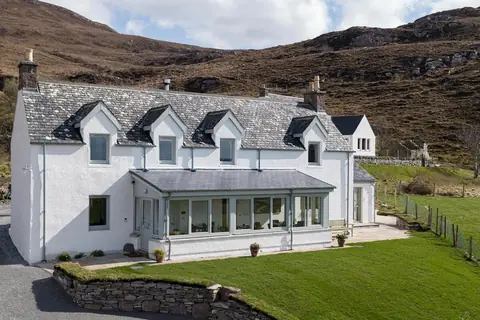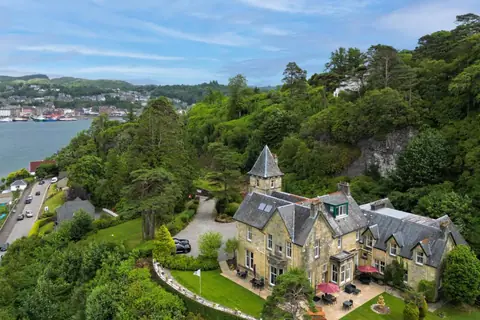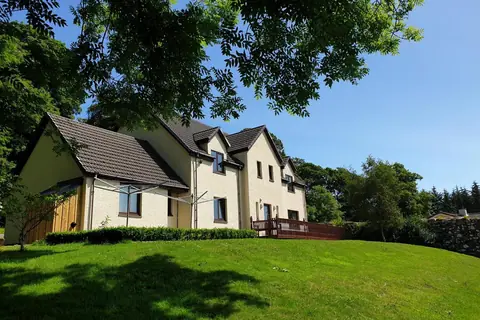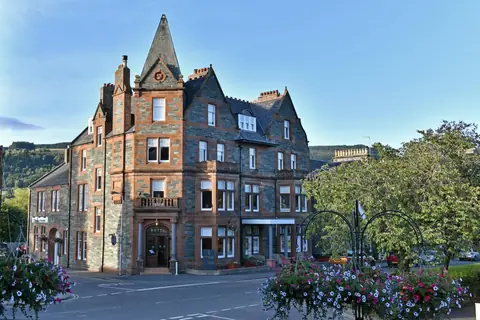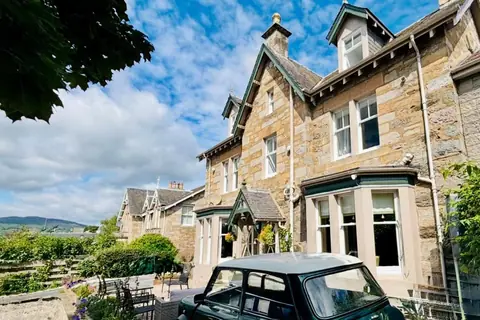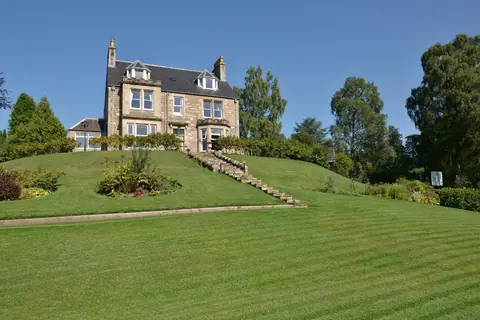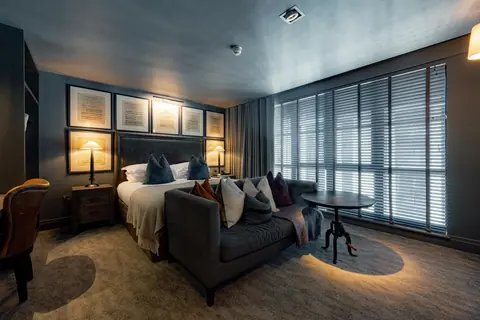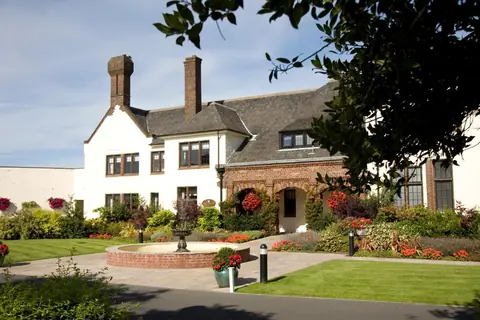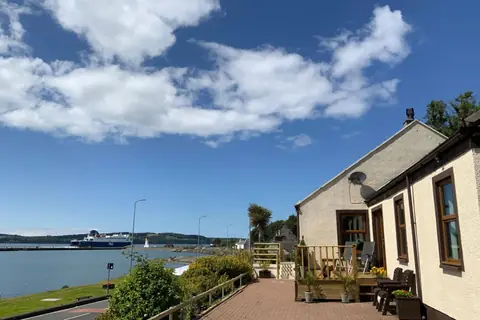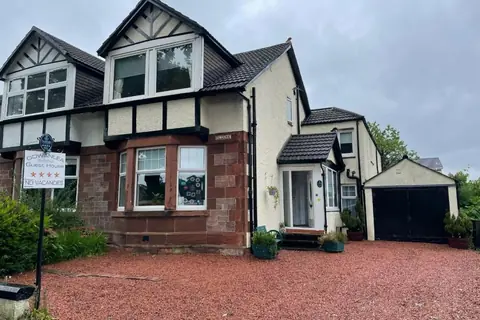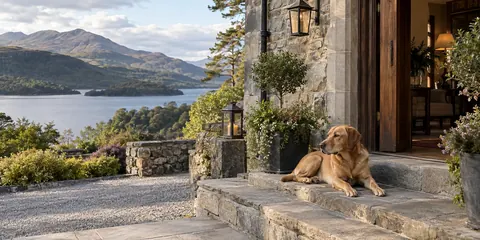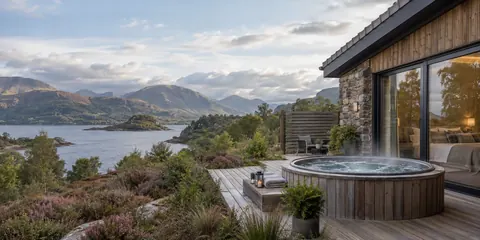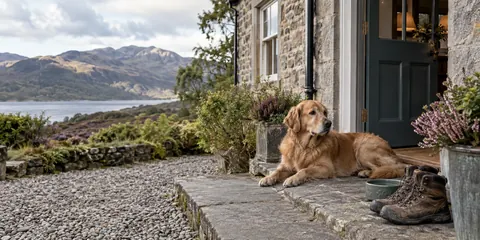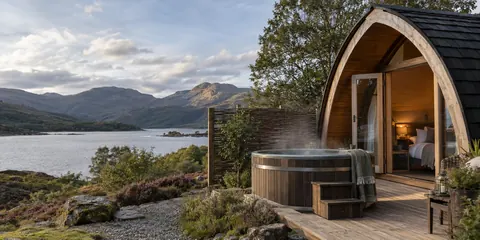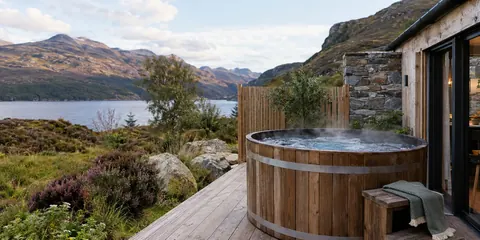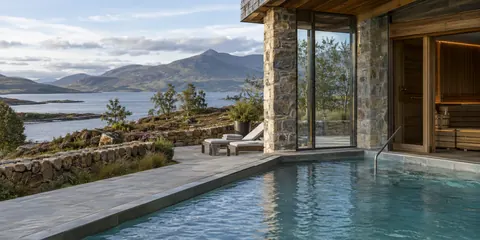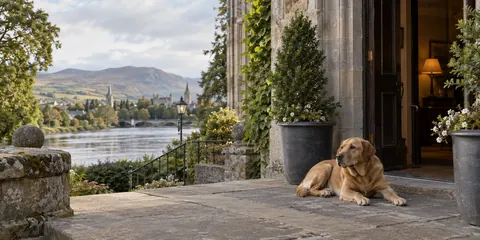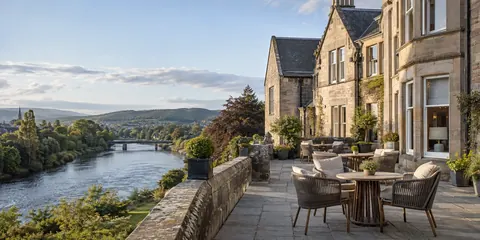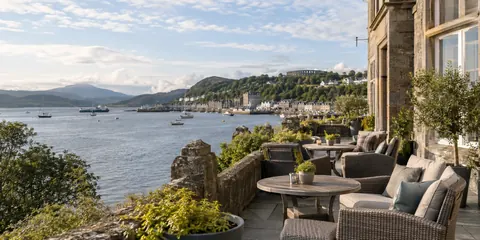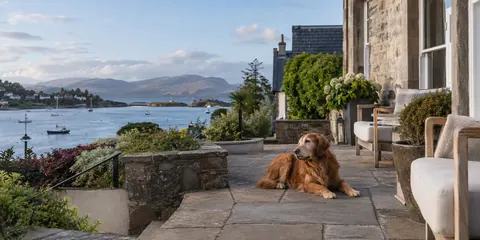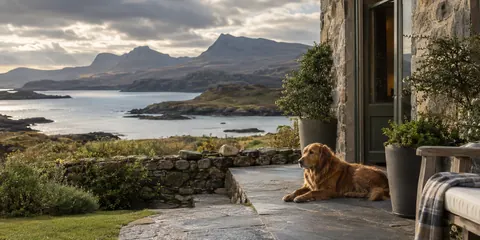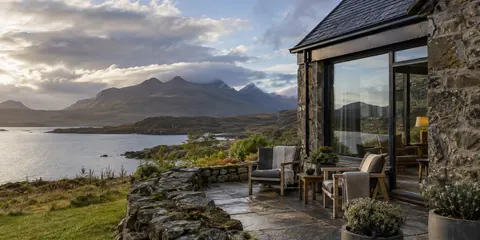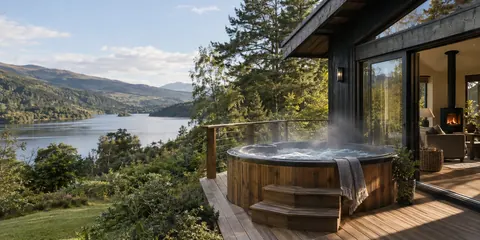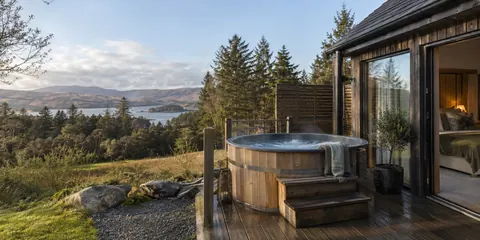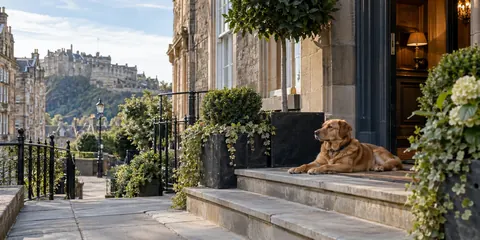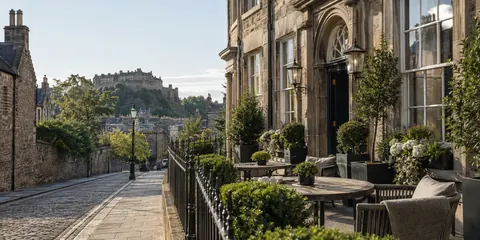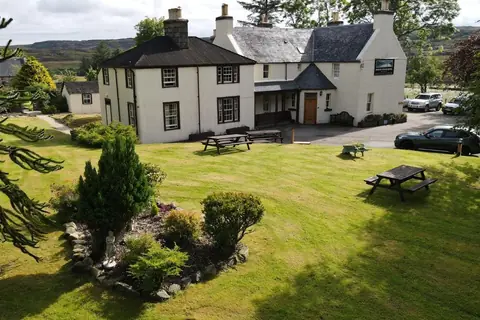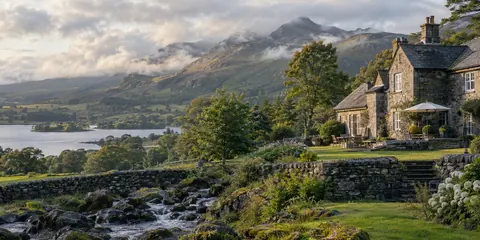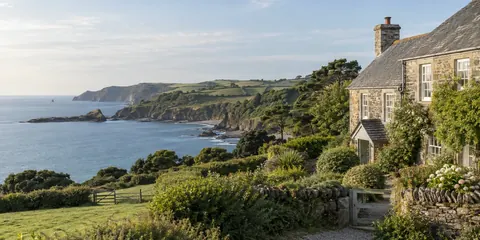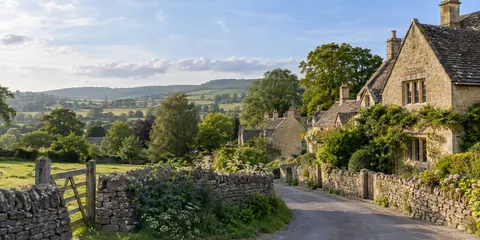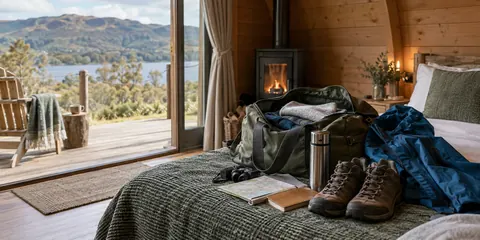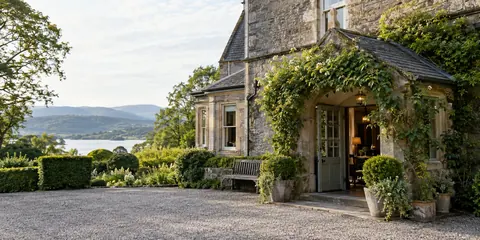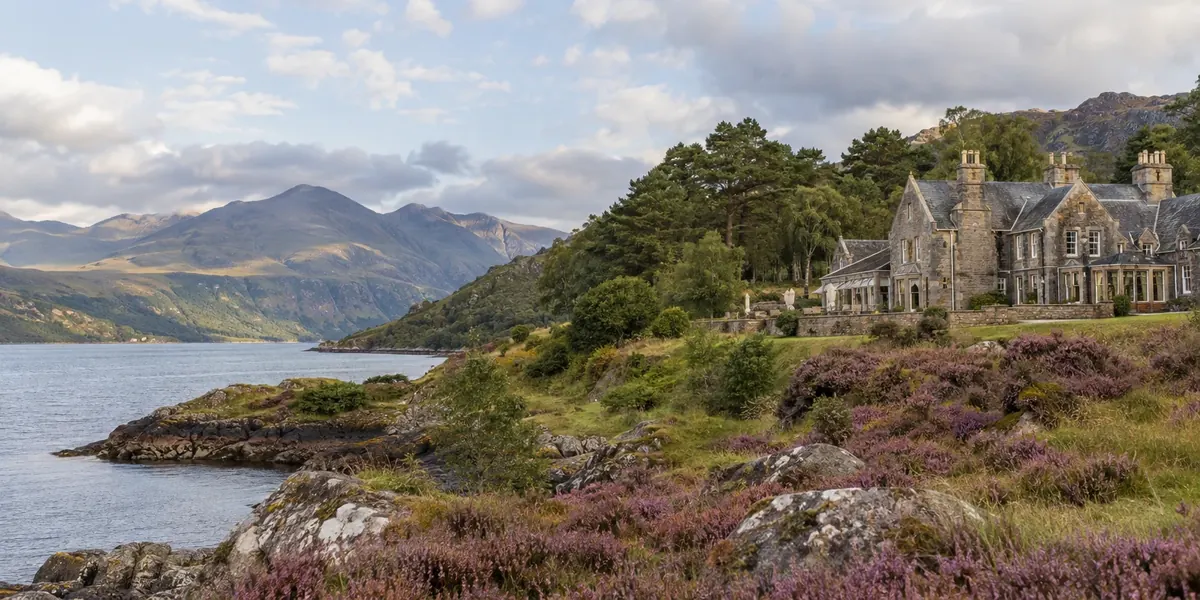
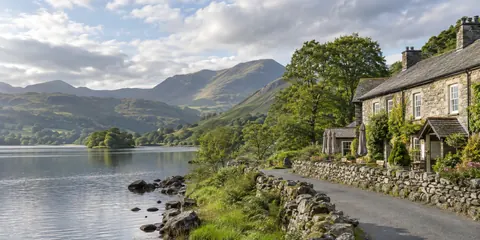
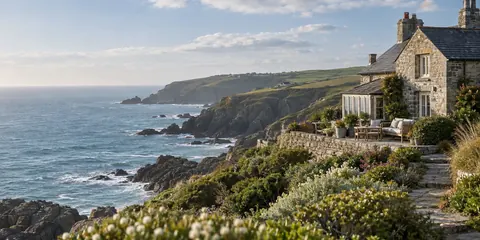
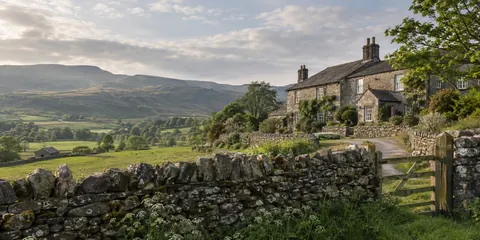
Where to stay in Scotland: illustrative photo of countryside and a stone-built house

Destination

Where to Stay in Scotland

Scotland is not one destination but several, and picking the right base matters more here than almost anywhere else in Britain. Edinburgh and Glasgow give you rail and air links without a car.

By the ChooseMyHotel editorsUpdated Not yet checked with the properties

The Highlands and the islands mostly do not, and distances that look short on a map can take hours on a single-track road.

This guide splits the country into five areas: Edinburgh and the Lothians, the Highlands around Inverness and Fort William, Argyll and the Isle of Skye, the Cairngorms and Perthshire, and Loch Lomond with the Trossachs and the Southern Uplands. Each has its own transport pattern, its own quiet season and its own driving conditions, so read the practicalities before you book anything. The Cairngorms and Loch Lomond and the Trossachs are Scotland's two national parks, and both have their own authority for local advice.

Where to base yourself

Edinburgh and the Lothians

Edinburgh is Scotland's main gateway. Edinburgh Airport handled around 14 million passengers in 2023, more than any other Scottish airport, and sits about seven miles from the centre with tram and bus links into town. You do not need a car here, and the Old Town's steep closes and limited parking make one a liability.

Base yourself in Edinburgh for castles, museums and direct rail connections onward to the Highlands, Fife and the Borders. It also works as a stop before you head north, since the Caledonian Sleeper to Inverness, Fort William and Aberdeen departs from Edinburgh Waverley most nights. If travelling with a dog, check dog-friendly hotels in Edinburgh before a city break.

On our lists here
Highlands: Inverness, Fort William and Glencoe

Inverness is the practical capital of the Highlands, reachable by direct train from Edinburgh and Glasgow and with its own small airport. Culloden battlefield, cared for by the National Trust for Scotland, is about five miles east of the city off the A9, open year round with shorter winter hours.

Fort William sits on the West Highland Line, which runs on to Mallaig over the Glenfinnan Viaduct, about four trains a day each way, a journey of about 90 minutes. Glencoe's National Trust for Scotland visitor centre is about 20 miles south of Fort William on the A82.

This is car country beyond the towns, with glen roads often narrowing to single track. If a dog is travelling with you, dog-friendly hotels in Inverness is a reasonable start for this area.

On our lists here

Argyll and the Isle of Skye

Oban is Argyll's main ferry town, with CalMac sailings to Mull, among other islands. The Oban to Craignure crossing runs several times a day and takes 45 to 60 minutes depending on the vessel, and CalMac advises booking ahead, especially for a car. If a dog is coming, dog-friendly hotels in Oban is a fair place to start.
Skye no longer needs a ferry to reach by road. You can drive over the Skye Bridge from Kyle of Lochalsh. An alternative CalMac ferry runs from Mallaig to Armadale, a 30-minute crossing, useful if approaching from Fort William.

Roads on Skye and around the Argyll coast are frequently single track, with passing places you are expected to use and reverse into. Base here for walking and coastline, and check dog-friendly hotels on the Isle of Skye before travelling with a pet, since livestock share these routes.

On our lists here

Cairngorms and Perthshire

The Cairngorms National Park covers about 4,528 square kilometres, roughly six per cent of Scotland's land area, the largest national park in the United Kingdom, according to the park authority. Five of the UK's six highest mountains lie within its boundary.

Aviemore is the main hub for the Cairngorms, on the Highland Main Line between Perth and Inverness, with Caledonian Sleeper stops too. Pitlochry and Dunkeld sit further south in Perthshire, on the same rail line and useful for easier road access without giving up nearby hills.

Winter brings snow to higher routes, so check conditions before driving into the park. For a base with facilities after a day outdoors, lodges with hot tubs in Perthshire cover this area.

On our lists here

Loch Lomond, the Trossachs and the Southern Uplands

Loch Lomond and the Trossachs became Scotland's first national park in 2002 and covers about 1,865 square kilometres. It sits within an hour's drive of around half of Scotland's population, and Balloch, at the loch's southern tip, is the main gateway town with a rail link to Glasgow.

Glasgow itself is Scotland's second-busiest airport after Edinburgh and a straightforward base for city amenities alongside easy access to the loch and western Highlands. Further south, Dumfries and Galloway offers quieter countryside, and Cairnryan is the ferry port for crossings to Northern Ireland.

This region suits a first Highland trip, since distances between towns are shorter and roads wider than further north. Families near the loch can find dog-friendly cottages in Scotland, and those heading south should look at lodges with hot tubs in Dumfries and Galloway.

On our lists here

Our lists for Scotland

A few stays from those lists

Practical information

Getting there

Edinburgh and Glasgow airports are Scotland's two busiest, handling around 14 million and over 7 million passengers a year respectively. Both connect by rail to onward trains for Inverness, Aberdeen, Perth and Fort William. The Caledonian Sleeper runs overnight from London Euston, splitting into portions after Edinburgh.

Car-free and rail options

The West Highland Line links Glasgow, Oban, Fort William and Mallaig, crossing the Glenfinnan Viaduct. Traveline Scotland's journey planner covers bus, rail and ferry connections nationwide. CalMac operates ferries to the western isles, including Oban to Mull and Mallaig to Skye, and booking ahead is advised on busier routes.

Driving and single-track roads

Many Highland and island routes narrow to a single track with passing places. Pull into one on your left, or wait opposite one on your right, giving way uphill. Passing places are not for parking, and routes such as the Bealach na Ba suit neither motorhomes nor inexperienced drivers.

Seasonality and midges

VisitScotland places midge season from May to October, peaking in midsummer and worst in the west Highlands and islands, especially at dawn and dusk on still, overcast days. Midges do not spread disease, and numbers are low outside these months.

Other destinations

Relevant guides

Where to stay in Scotland: questions

Do you need a ferry to reach the Isle of Skye

No. The Skye Bridge connects Skye to the mainland at Kyle of Lochalsh by road. A separate CalMac ferry still runs from Mallaig to Armadale for those approaching from Fort William.

What is the best area to stay in Scotland without a car

Edinburgh and Glasgow work best without a car, thanks to airport rail links and onward trains to Inverness, Aberdeen and Fort William. The West Highland Line and Traveline Scotland's journey planner cover bus, rail and ferry connections further north, though services thin out on Sundays.

When is midge season in Scotland

VisitScotland places midge season from May to October, peaking in midsummer and worst in the west Highlands and islands. They are most active at dawn and dusk on still, overcast days, and are not present in winter or early spring.

Which is the largest national park in Scotland

The Cairngorms National Park, at about 4,528 square kilometres, is the largest national park in the United Kingdom, according to the park authority. Loch Lomond and the Trossachs, Scotland's first national park, covers about 1,865 square kilometres further south, near Glasgow.

Are dogs allowed off lead near livestock in Scotland

The Scottish Outdoor Access Code requires dogs to be on a short lead or under close control around farm animals, and never in a field with calves or lambs. NatureScot also asks for close control during the bird breeding season, usually April to July.

Sources