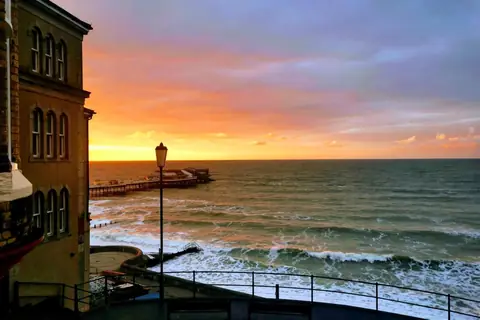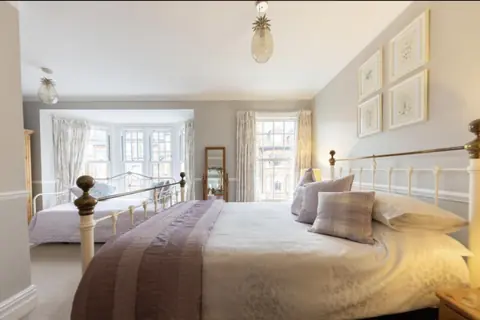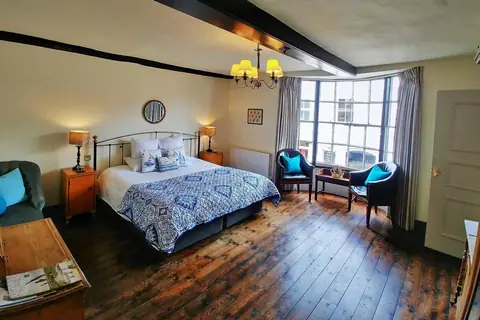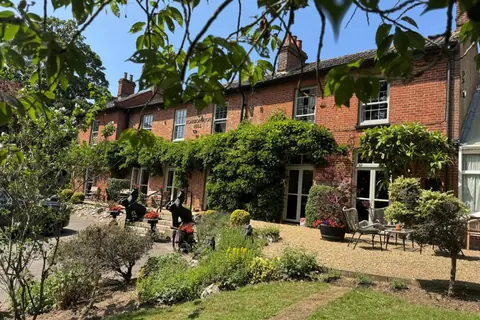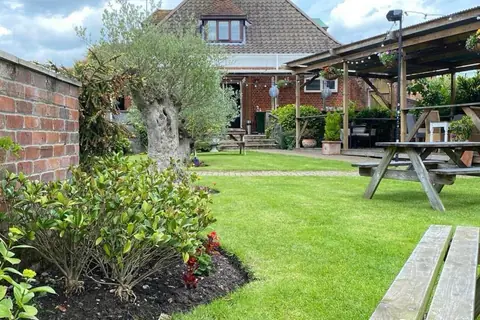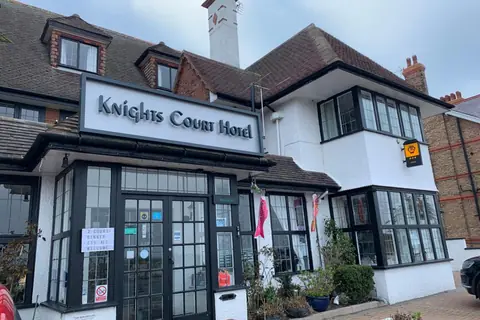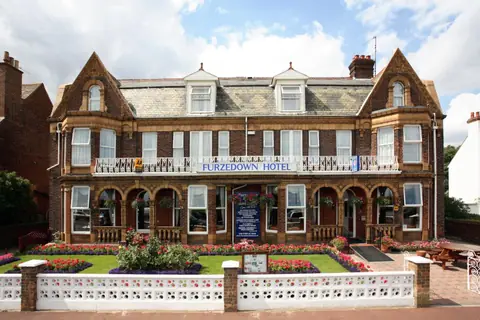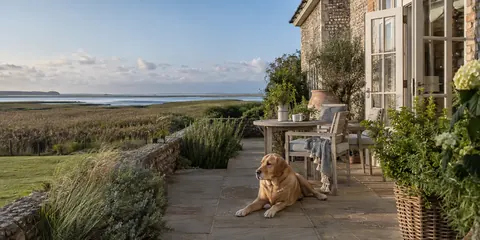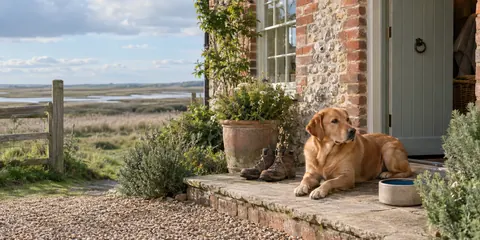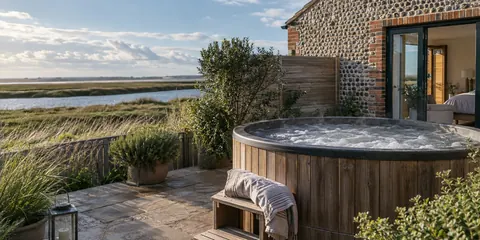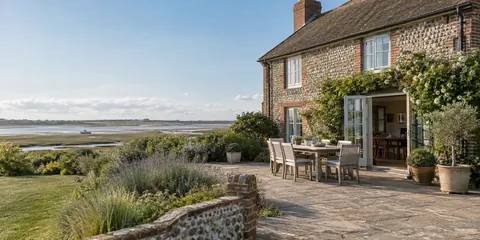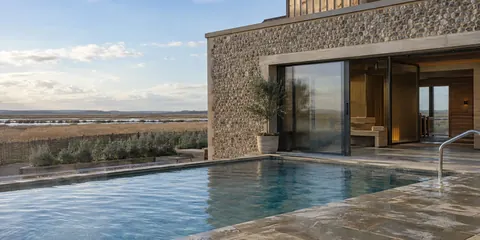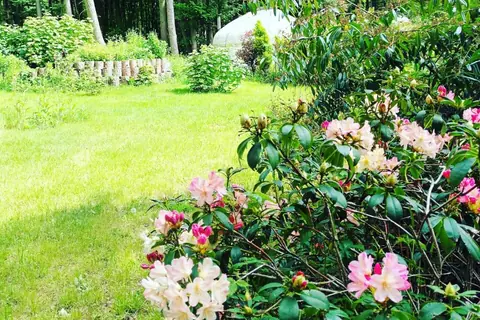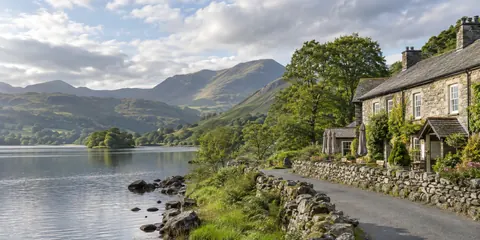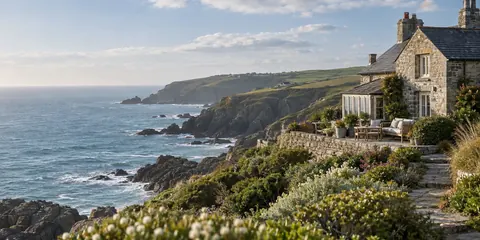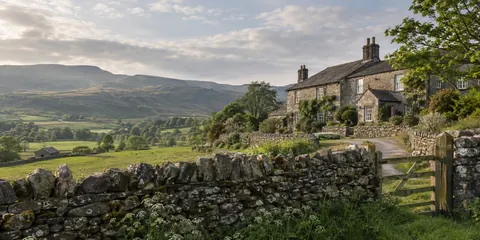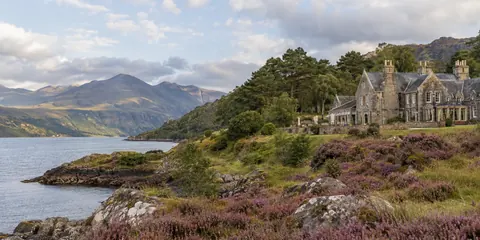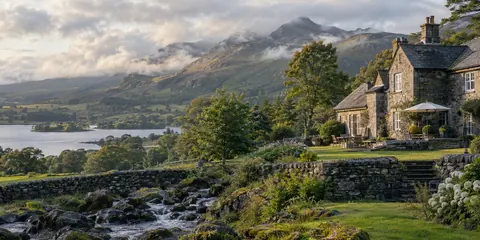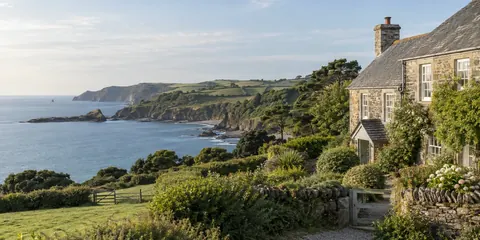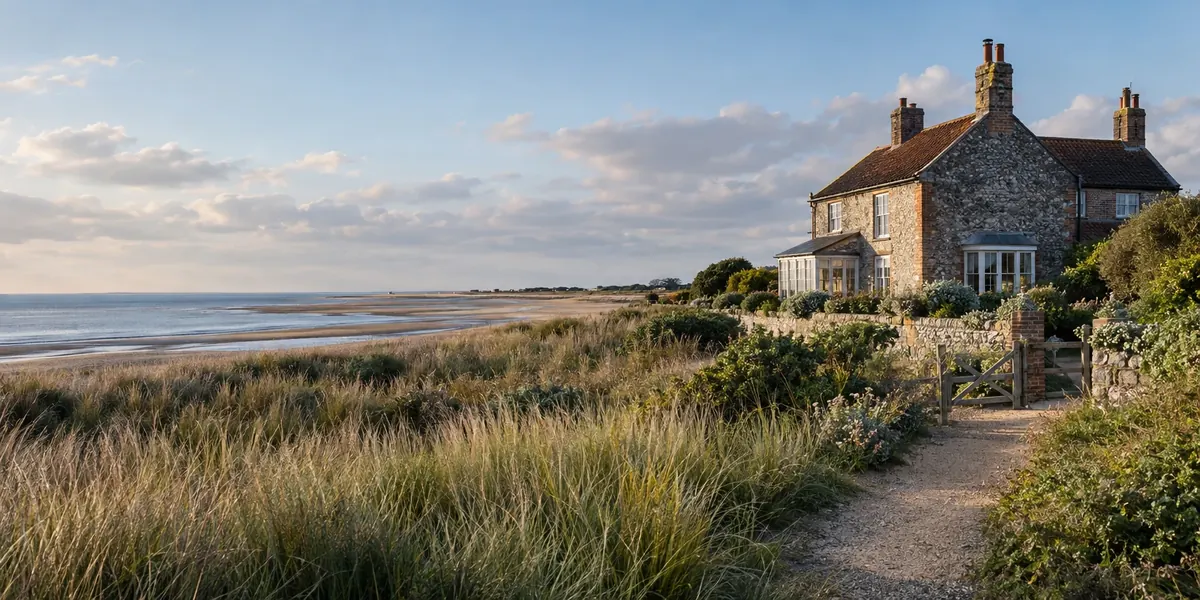
Where to stay in Norfolk: illustrative photo of countryside and a stone-built house

Destination

Where to Stay in Norfolk

Norfolk covers a wide stretch of eastern England, from the beaches of the north coast to the slow rivers of the Broads and the shops and theatres of Norwich. Which part suits you depends on what you want from the days: a walk along low cliffs, a boat on still water, or a city with a cathedral and a castle close together.

By the ChooseMyHotel editorsUpdated Not yet checked with the properties

Getting to each area works differently, so it helps to plan around trains and roads before you book.

The coast between Old Hunstanton and Bacton sits inside the Norfolk Coast National Landscape, while the wetlands around Wroxham and Hickling form part of the Broads National Park. Norwich, the market towns further inland, and the sandier east coast near Great Yarmouth and Lowestoft each have a different feel and different practicalities. Below, four areas set out who each one suits, how you get there, and where the car fits in.

Where to base yourself

The North Norfolk Coast

The coast between Old Hunstanton and Bacton lies inside the Norfolk Coast National Landscape, though the built-up centres of the larger resorts, including Sheringham and Cromer, sit outside the designated boundary itself. Cromer, Sheringham, Wells-next-the-Sea, Overstrand and Weybourne all sit on or close to this stretch, and this is where to base yourself for cliff-top paths, beach days and small-town seafronts.

Holt, a market town a few miles inland, makes a useful base too, with its own shops and a rail link nearby. The Bittern Line connects Norwich with Cromer and Sheringham, calling at North Walsham on the way, so a coastal day out does not need a car. Felbrigg Hall, National Trust land about 2 miles from Cromer, sits within reach for a walk. Coast roads get busy on summer weekends, so allow extra time if you are driving in July and August. If a hot tub break is on your list, this stretch has the widest choice.

On our lists here

Norwich and the market towns

Norwich sits roughly in the centre of the county and works as a base for the whole of Norfolk, not only the city itself. It has a Norman cathedral, a castle, an old market and a cluster of theatres, plus the county's main rail station. From here you can reach the coast, the Broads or the market towns within an hour by road or rail.

North Walsham, Fakenham and East Dereham are working market towns, each with its own weekly market and a quieter pace than the coast. Horsford sits just outside the city on the Norwich side, close enough for an evening in town without staying in the centre. The A11 and A47 run through this part of the county, linking Norwich to Cambridge, Peterborough and the coast roads. For hotels across the county, Norwich has the largest concentration of places to stay.

On our lists here

The Broads

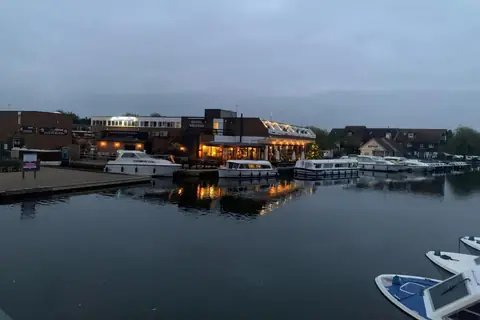
The Broads National Park covers around 117 square miles of rivers, lakes and marshland across Norfolk and Suffolk, best explored by boat or on foot along the riverside paths. Wroxham, often called the gateway to the Broads, sits on the River Bure with boatyards close to the water. Hickling Broad, the largest of the open broads, lies a short drive to the north-east.

Beccles sits on the River Waveney at the southern edge of the national park, with Wangford close by, and both work as a quieter base for the southern Broads. This is a good area if you want water rather than sea, with reed beds and villages reachable only by boat or a longer walk. A dog-friendly cottage near the water suits a slower pace here.

On our lists here

The east coast around Great Yarmouth and Lowestoft

Great Yarmouth has a wide sandy beach, a seafront with amusements and arcades, and a working harbour, and it sits where the Broads National Park meets the coast near Breydon Water. Gorleston-on-Sea, on the southern side of the harbour, has a quieter, more residential seafront than the main resort. Caister-on-Sea and Scratby lie just north of Great Yarmouth, with dunes and beaches that see fewer visitors than the town centre.

Lowestoft sits further south, over the border in Suffolk, but is close enough for a day trip and shares the Wherry Line rail link back to Norwich. The Wherry Lines run from Norwich to both Great Yarmouth and Lowestoft, so this stretch is reachable by train without a change. It suits a traditional seaside stay, with beaches and a promenade.

On our lists here

Our lists for Norfolk

A few stays from those lists

Practical information

Getting there

Norwich has the county's main rail station, with direct trains from London Liverpool Street and connections onward on the Bittern Line to Cromer and Sheringham and the Wherry Lines to Great Yarmouth and Lowestoft. By road, the A11 links Norwich to Cambridge and the M11, and the A47 runs east to west across the county towards Great Yarmouth and King's Lynn.

Getting around without a car

The Bittern Line and the Wherry Lines cover the coast and the east of the county well, with regular services between Norwich and the seaside towns. Away from the railway, bus routes across Norfolk are run by several operators, and Traveline covers timetables and connections for the whole county. The Broads are best covered by boat once you are there, with hire boats available at Wroxham and other riverside towns.

Parking on the coast

North Norfolk's coastal towns, including Cromer, Sheringham and Wells-next-the-Sea, have pay-and-display car parks run by North Norfolk District Council, and these fill on fine summer weekends. Great Yarmouth and Lowestoft have larger seafront car parks for a full day out. Check a car park's opening hours and charges before you travel.

Other destinations

Where to stay in Norfolk: questions

Which part of Norfolk is best for a coastal break?

The North Norfolk Coast, between Old Hunstanton and Bacton, is the main coastal area, and it falls within the Norfolk Coast National Landscape. Cromer, Sheringham, Wells-next-the-Sea and the smaller villages around them all sit on this stretch, with cliff paths, beaches and small-town seafronts.

Is Norwich a good base for exploring the rest of Norfolk?

Yes. Norwich sits centrally, has the county's main rail station so the coast, the Broads and the market towns are all within an hour by road or rail. It also has its own cathedral, castle and shopping streets to fill a day.

Can you visit the Broads without hiring a boat?

Yes. Wroxham and Hickling both have riverside paths and viewpoints you can reach on foot, and several visitor centres explain the wildlife and waterways. A boat trip gets you further into the reed beds, but it is not the only way to see the Broads National Park.

Is Great Yarmouth inside the Broads National Park?

Part of it is. Great Yarmouth sits where the Broads National Park meets the coast near Breydon Water, though the main seafront and town centre lie outside the park boundary. Caister-on-Sea and Scratby, just to the north, are separate seaside villages on the coast road.

How do you get to the Norfolk coast without a car?

The Bittern Line runs from Norwich to Cromer and Sheringham, with stops at North Walsham and other villages on the way. For the east coast, the Wherry Lines connect Norwich to Great Yarmouth and Lowestoft. Buses fill in the gaps between towns not served by rail.

Sources